In the dynamic world of content creation, from engaging podcasts to immersive live streams, the clarity and quality of your voice are paramount. The Shure MV7 USB Podcast Microphone emerges as a compelling solution, bridging the gap between professional studio performance and plug-and-play convenience. Inspired by the legendary Shure SM7B, this hybrid microphone offers a versatile, user-friendly experience designed to elevate your audio without the complexity of traditional setups. If you’re a podcaster, streamer, or vocalist seeking exceptional sound with effortless control, the MV7 might just be your ideal audio companion.
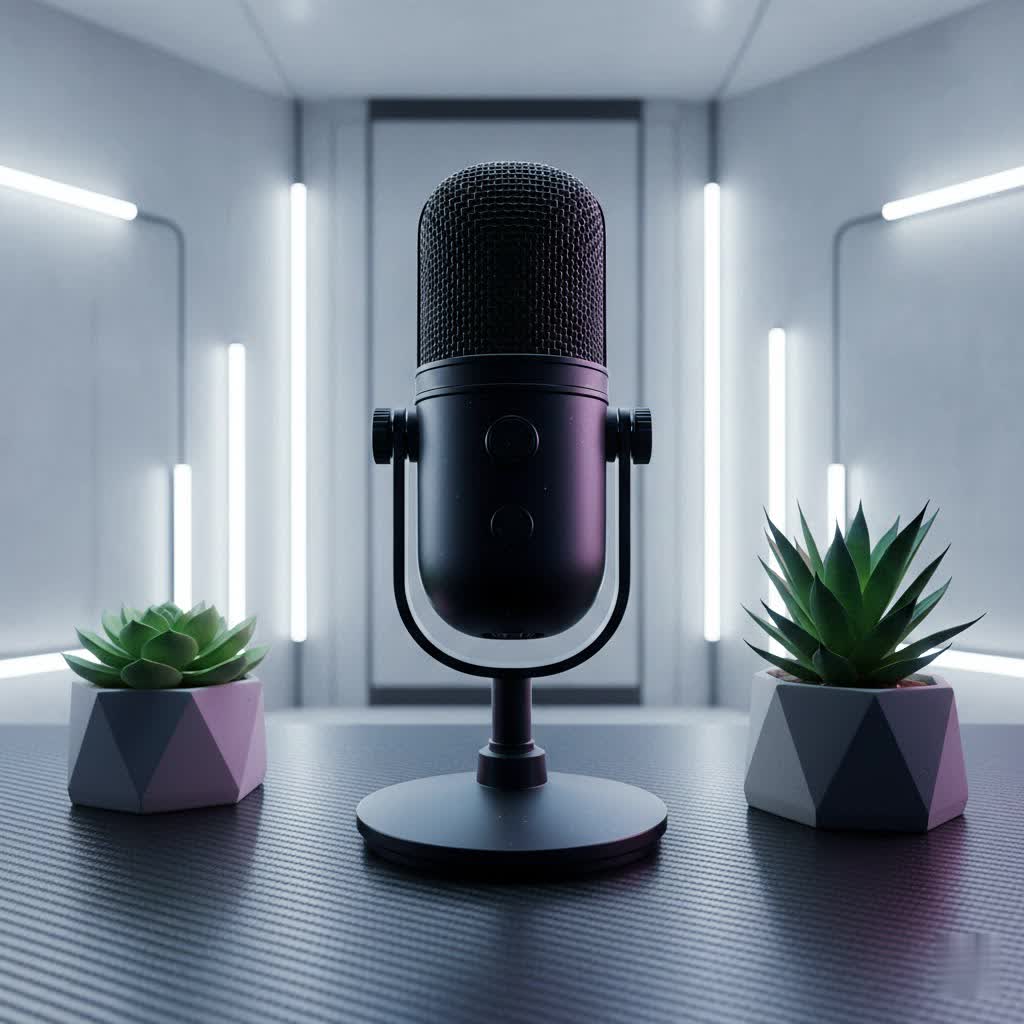
Shure MV7 USB Microphone: Overview and Applications
The Shure MV7 is a professional-quality dynamic microphone featuring both USB and XLR outputs, making it incredibly adaptable for a wide range of recording scenarios. Its popularity stems from its ability to deliver broadcast-quality sound with remarkable ease of use, making it an excellent choice for creators at various skill levels.
This microphone excels in applications requiring clear vocal intelligibility and a balanced tone. It is a go-to for podcasters who need reliable performance in diverse environments, thanks to its voice isolation technology that minimizes background noise. Streamers and gamers benefit from its direct USB connectivity and robust audio capture, ensuring their commentary and interactions are crystal clear. Vocalists and home recording artists can achieve professional-grade vocal tracks, while voice-over artists and social media creators appreciate its clarity and ease of integration into their workflows. Even business professionals and educators find the MV7 a significant upgrade for online meetings and virtual workshops, delivering superior audio compared to standard built-in microphones.
Types of USB Microphones: Where the MV7 Stands
Understanding microphone classifications helps clarify the Shure MV7’s position in the market. Each type offers distinct advantages, catering to different recording needs and environments.
Based on Form Factor: Dynamic vs. Condenser
|
Our Picks for the Best USB Microphone in 2026
As an Amazon Associate I earn from qualifying purchases.
|
||
| Num | Product | Action |
|---|---|---|
| 1 | Shure MV7+ Podcast Dynamic Microphone – OBS Certified, Enhanced Audio, LED Panel, USB-C & XLR Outputs, Auto Level Mode, Digital Pop Filter, Reverb Effects – For Podcasting, Streaming, Recording, Black |

|
| 2 | FIFINE USB Microphone, Metal Condenser Recording Microphone for MAC OS, Windows, Cardioid Laptop Mic for Recording Vocals, Voice Overs, Streaming, Meeting and YouTube Videos-K669B |
|
| 3 | Amazon Basics USB Condenser Microphone for Streaming, Recording, and Podcasting on PC, Plug and Play, Cardioid Pickup, Adjustable Stand with 360° Rotation, 5.8 x 3.4 inches, Black |
|
| 4 | P PUPGSIS XLR/USB Podcast Microphone, Gaming Mic with Mute Button, Reverb Effects, Noise Cancellation, Boom Arm Stand, Headphones Jack, Dynamic Microphone for Streaming/Recording/Gaming/Vocal-Black |
|
| 5 | Dynamic Microphone, USB-C/XLR Podcast Recording PC Microphone for Podcast Recording Streaming Gaming with RGB Light, Mute Button, Desktop Stand, Headphones Jack, Vocal Mic for Singing Tiktok YouTube |
|
| 6 | JOUNIVO USB Microphone, 360 Degree Adjustable Gooseneck Design, Mute Button & LED Indicator, Noise-Canceling Technology, Plug & Play, Compatible with Windows & MacOS |
|
| 7 | Logitech Creators Blue Yeti USB Microphone for Gaming, Streaming, Podcast, YouTube, Discord, PC, Studio Sound, Plug & Play-Blackout |
|
| 8 | FIFINE USB/XLR Dynamic Microphone for Podcast Recording, PC Computer Gaming Streaming Mic with RGB Light, Mute Button, Headphones Jack, Desktop Stand, Vocal Mic for Singing YouTube-AmpliGame AM8 |
|
| 9 | ZealSound Podcast USB Microphone for PC/Mac/iPhone, Cardioid Condenser Mic with Noise Reduction, Tap-to-Mute, RGB Lighting, Zero Latency Monitoring, Volume Control for Gaming, Recording, YouTube |
|
| 10 | DUNGZDUZ USB Microphone for Laptop and Desktop Computer, High Sensitivity for Clear Call, Plug-and-Play, High Gain, Cordless Mini-Sized Portable, Ideal for Work & Study |
|
The Shure MV7 is a dynamic microphone. Dynamic microphones are known for their robust build and ability to handle high sound pressure levels, making them excellent for live performance and untreated recording spaces. They are less sensitive to ambient noise compared to condenser microphones, which is a significant advantage for home studios or environments with less-than-ideal acoustics. In contrast, condenser microphones are typically more sensitive, capturing a wider frequency range and more subtle details, but they also tend to pick up more room noise.
Based on Pickup Pattern: Cardioid, Omnidirectional, Bidirectional
The MV7 features a unidirectional cardioid pickup pattern. This design is specifically engineered to capture sound predominantly from directly in front of the microphone while significantly rejecting sounds from the sides and rear. This “voice isolation technology” makes the MV7 highly effective for single-person recordings like podcasts, voice-overs, and streaming, as it keeps the focus on the speaker and minimizes unwanted room reflections or background chatter. Other common patterns include omnidirectional, which picks up sound equally from all directions, and bidirectional (Figure-8), which captures sound from the front and back while rejecting the sides.
Based on Features: Integrated Sound Card
The Shure MV7 stands out as a hybrid microphone, offering both analog (XLR) and digital (USB) connectivity. When connected via USB, the MV7 functions as a microphone with an integrated sound card. This means it contains its own analog-to-digital converter and preamplifier, allowing for direct plug-and-play operation with computers and mobile devices without requiring an external audio interface. This integrated approach, especially when coupled with the ShurePlus MOTIV app, provides extensive digital signal processing (DSP) features directly within the microphone, such as EQ, compression, and auto-level mode. When used with XLR, it behaves like a traditional dynamic microphone, relying on an external audio interface or mixer for signal processing and gain control.
Essential Factors When Choosing a USB Microphone: The MV7’s Strengths
Selecting the right USB microphone involves considering several critical factors to ensure it meets your specific audio needs. The Shure MV7 excels in many of these areas, offering a blend of professional quality and user-friendly features.
Sound Quality
The Shure MV7 delivers rich, clear, and detailed audio, capturing the nuances of the human voice with impressive precision. Its dynamic capsule is custom-tuned by Shure for optimal vocal performance across the frequency spectrum, resulting in a natural and bright tone that enhances speech intelligibility. The microphone boasts a frequency response of 50 Hz to 16,000 Hz, with a slight high-end boost around 4-6 kHz that further contributes to vocal clarity and articulation. Combined with its voice isolation technology, the MV7 ensures listeners hear the resonant warmth of your voice, free from distracting background noise.
Durability and Design
Inspired by the iconic Shure SM7B, the MV7 features a robust, all-metal construction, testifying to Shure’s commitment to quality and longevity. Its sleek, retro-inspired black design with a striking grille seamlessly integrates into any recording setup. The microphone’s compact size and fully adjustable yoke allow for easy and versatile positioning on various mic stands or boom arms, making it ideal for both spacious and smaller home studios.
Additional Features
The MV7 is packed with features that enhance its usability and performance. It includes an intuitive touch panel on the microphone itself, providing quick access to essential controls such as microphone gain, mute, and headphone volume. A built-in 3.5mm headphone jack enables real-time, low-latency monitoring, allowing you to hear your voice clearly without distracting delays.
The true power of the MV7, particularly when connected via USB, lies in the ShurePlus MOTIV app. This companion software for desktop and mobile devices unlocks a suite of digital signal processing (DSP) capabilities, including:
- Auto Level Mode: Automatically adjusts gain based on your distance from the mic, preventing clipping and maintaining consistent levels.
- EQ Presets: Various equalization modes like Flat, High-pass Filter, Presence Boost, and High-pass Presence Boost to shape your sound.
- Limiter and Compressor: Tools to manage dynamic range and create a more polished, broadcast-ready sound.
- Near/Far Modes: Optimize settings based on how close you are to the microphone.
- Monitor Mix Blend: Adjust the balance between your microphone input and computer audio in your headphones.
> “The Shure MV7 expertly blends modern functionality with professional sound quality. The versatile USB and XLR connectivity caters to a wide range of recording needs.” – Castos Editorial Team, Digital Media Experts
Shure MV7 vs. Popular Alternatives
When considering a professional-grade microphone, the Shure MV7 is often compared to its legendary predecessor, the Shure SM7B, and other popular options. Here’s a comparative look to help you understand its unique position.
| Product Name | Type | Connectivity | Key Features | Pros | Cons | Target User |
|---|---|---|---|---|---|---|
| Shure MV7 | Dynamic | USB & XLR | ShurePlus MOTIV App (DSP: Auto Level, EQ, Comp, Limiter), Touch Panel, Real-time Monitoring | Dual connectivity (versatile), Voice isolation, Easy plug-and-play, Excellent app control, Robust build, More affordable than SM7B | Micro-USB (original MV7), USB audio quality might need app processing, Lacks multiple pickup patterns | Podcasters, Streamers, Gamers, Vocalists, Beginners/Intermediate Creators |
| Shure SM7B | Dynamic | XLR Only | Flat, Bass Rolloff, Mid-range Presence Boost switches | Legendary broadcast sound, Superior sound isolation, Highly durable | Requires external audio interface & high-gain preamp (e.g., Cloudlifter), More expensive, XLR-only | Professional Broadcasters, Podcasters, Vocalists, Studio Engineers |
| Rode NT-USB Mini | Condenser | USB Only | Built-in pop filter, Headphone output, Class-compliant USB-C | Compact, Clear condenser sound, Easy to use, Good for desktop setups | USB-C only, Condenser can pick up more room noise, No XLR, Less built-in DSP | Home office, Gaming, Simple podcasts, Online meetings, Mobile recording |
| Blue Yeti | Condenser | USB Only | Multiple polar patterns (Cardioid, Omni, Bi, Stereo), Headphone output | Versatile pickup patterns, Easy setup, Good sound quality for its price, Popular for beginners | Can be sensitive to room noise, Larger footprint, Build quality not as robust as dynamic mics | Beginners, Multipurpose recording (interviews, music), General content creation |
The MV7 is often referred to as the “little brother” of the SM7B, offering a similar professional aesthetic and sound profile but with crucial accessibility features. While the SM7B is an industry standard for professional studios, often requiring an external preamp to achieve optimal gain, the MV7 simplifies the setup with its direct USB connection and built-in DSP via the MOTIV app. This makes the MV7 a fantastic “grow-with-you” microphone, perfect for beginners starting with USB and offering the option to transition to a more professional XLR setup later.
Guide to Choosing the Right USB Microphone (Including MV7)
Selecting the perfect USB microphone involves a thoughtful process that aligns your needs with the microphone’s capabilities.
Identify Your Needs
Start by clarifying your primary purpose: Are you primarily recording vocals for a podcast, streaming gameplay, conducting online meetings, or recording acoustic instruments? Your environment also plays a crucial role – a quiet, acoustically treated room might benefit from a sensitive condenser mic, while a noisy home office or bedroom will likely benefit from a dynamic mic with good off-axis rejection like the MV7. Finally, set a realistic budget to narrow down your options. The Shure MV7, with its dual connectivity and robust features, offers excellent value for intermediate users and those looking to upgrade.
Research and Compare Products
Once you have a clear idea of your needs, dive into research. Read comprehensive reviews from reputable audio tech websites, watch video reviews on platforms like YouTube for sound samples, and seek opinions from experienced content creators or audio professionals. Pay close attention to specifications like polar pattern, frequency response, and connectivity options. Comparing detailed product tables (like the one above) can highlight the strengths and weaknesses of each microphone relative to your specific requirements.
Purchase from Reputable Retailers
Always buy your microphone from authorized dealers or reputable online retailers. This ensures you receive a genuine product with a valid manufacturer’s warranty and access to reliable customer support. Before finalizing your purchase, carefully check the retailer’s return and exchange policies. If possible, inspect the product for any physical defects upon arrival.
Renowned USB Microphone Brands (Featuring Shure)
The market offers a variety of excellent USB microphone brands, each with its unique strengths.
- Shure: A legendary name in audio, Shure offers microphones renowned for their durability, sound quality, and reliability. The MV7 exemplifies their innovation by blending professional XLR capabilities with user-friendly USB features, making it a favorite among podcasters and streamers.
- Blue Microphones (Logitech Blue): Famous for their iconic Yeti and Snowball USB microphones, Blue is a popular choice for beginners due to their ease of use, multiple pickup patterns, and solid sound quality at an accessible price point.
- Rode: An Australian audio company known for high-quality studio microphones, Rode also produces excellent USB options like the Rode Podcaster and the NT-USB Mini, offering premium sound in compact, user-friendly packages.
- HyperX: While primarily known for gaming peripherals, HyperX has made significant strides in the USB microphone market with products like the QuadCast, catering specifically to streamers and gamers with integrated pop filters and customizable RGB lighting.
- Samson: Samson provides a range of affordable and versatile USB microphones, with the Q2U being a standout hybrid USB/XLR option often recommended for beginners due to its value and dual connectivity, similar in concept to the MV7.
Conclusion
The Shure MV7 USB Podcast Microphone stands as a testament to intelligent audio engineering, providing a powerful yet accessible tool for anyone serious about sound. Its hybrid USB and XLR connectivity, combined with the intuitive ShurePlus MOTIV app, makes it incredibly versatile for podcasters, streamers, and vocalists seeking studio-quality audio without a steep learning curve. With its robust build, excellent voice isolation, and professional sound profile, the MV7 represents a smart investment for elevating your content. Whether you’re upgrading from entry-level gear or seeking a flexible solution for various recording environments, the MV7 empowers you to capture clear, captivating audio every time. What audio project will you enhance with the Shure MV7?
Frequently Asked Questions
What is the primary advantage of the Shure MV7’s hybrid USB/XLR connectivity?
The hybrid connectivity allows users unparalleled flexibility. Beginners can utilize the plug-and-play USB connection with the ShurePlus MOTIV app for easy setup and built-in DSP, while advanced users can integrate the microphone into a professional studio setup using the XLR output with an audio interface.
Can the ShurePlus MOTIV app be used with the MV7 when connected via XLR?
No, the ShurePlus MOTIV app and its digital signal processing (DSP) features, such as Auto Level Mode, EQ, and compression, are only accessible and controllable when the Shure MV7 is connected via USB. When using the XLR output, the microphone functions as a traditional dynamic mic, and control relies on your external audio interface or mixer.
Is the Shure MV7 suitable for recording music and instruments?
While the Shure MV7 is primarily optimized for vocal recording due to its cardioid polar pattern and frequency tuning for speech, its high-quality dynamic capsule can also capture acoustic instruments effectively. However, for dedicated instrument recording, a condenser microphone or a microphone with multiple polar patterns might offer greater versatility and detail.
Does the Shure MV7 require any special drivers to work with a computer?
No, the Shure MV7 is designed for plug-and-play operation when connected via USB. It is class-compliant with both Windows and macOS computers, meaning no special drivers or software installation are required for basic functionality. For advanced control and DSP features, the ShurePlus MOTIV app is recommended.
What is “voice isolation technology” in the Shure MV7?
The Shure MV7’s voice isolation technology refers to its precisely tuned cardioid pickup pattern, which is highly effective at focusing on the sound source directly in front of the microphone. This design minimizes the capture of off-axis noise and room reflections, ensuring that the speaker’s voice remains clear and prominent even in acoustically challenging environments.
