For aspiring vocalists and seasoned singers alike, capturing your voice with clarity and warmth at home no longer requires a complex studio setup. USB microphones have revolutionized home recording, offering a plug-and-play solution that brings professional-grade sound within reach. Whether you’re recording demos, laying down tracks for your latest song, or adding vocals to your streams, finding the right USB microphone is paramount. This comprehensive guide will walk you through everything you need to know to select the perfect USB mic that amplifies your singing and helps you achieve the pristine vocal recordings you’ve always dreamed of.
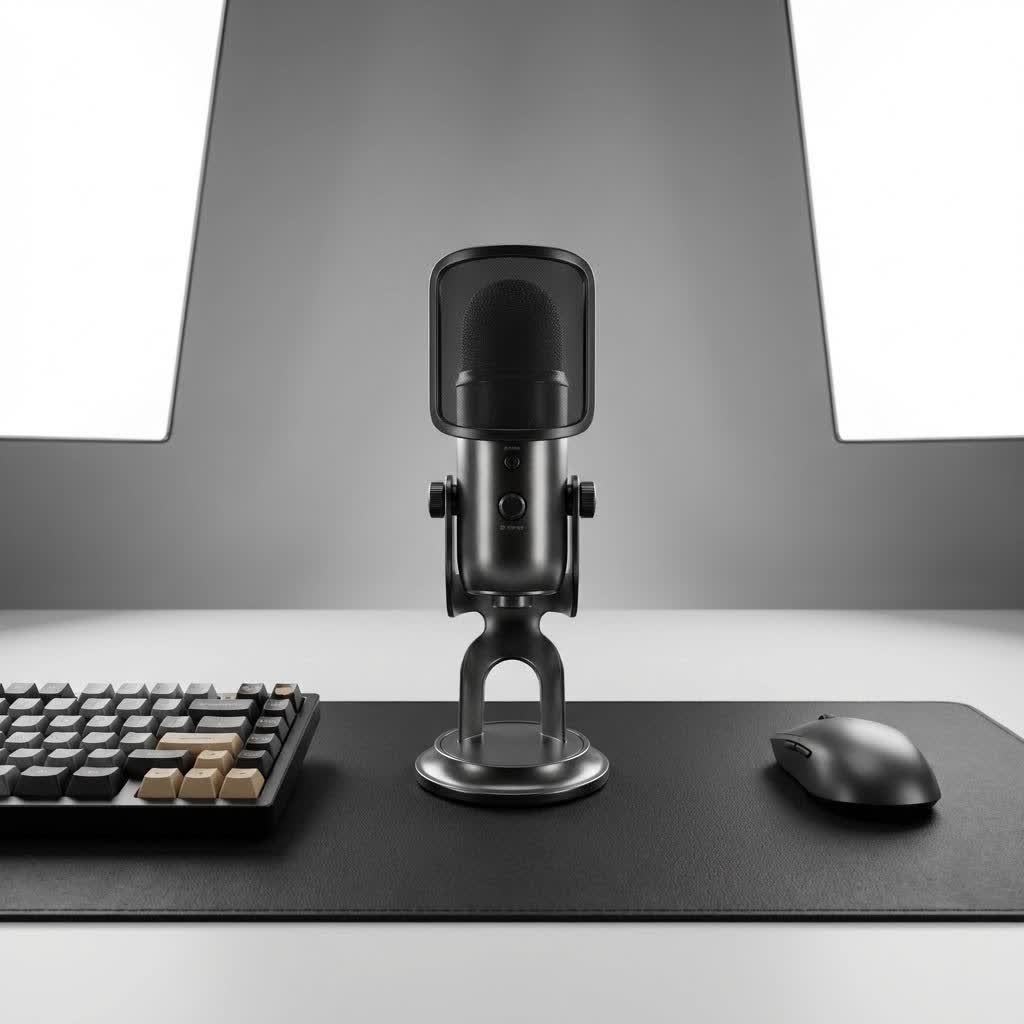
USB Microphone: Overview and Applications
A USB microphone is a self-contained recording solution, designed for simplicity and convenience. Unlike traditional XLR microphones that require external audio interfaces, preamps, and often phantom power, a USB mic integrates all these components into a single unit. This means you can simply plug it directly into your computer or mobile device via a USB cable and start recording instantly. This ease of use makes them incredibly portable and perfect for any home recording enthusiast.
The versatility of USB microphones extends across numerous applications:
- Vocal Recording: From capturing raw vocal demos to producing polished tracks, USB mics are ideal for solo singers and small home studios. They are designed to reproduce the nuances and dynamics of the human voice.
- Podcasting and Streaming: Many singers also engage in podcasting or live streaming. A good USB microphone can seamlessly transition between spoken word and singing, offering excellent clarity for both.
- Voiceovers and Narration: For artists who also do voiceover work, these microphones provide the detail and low self-noise required for clean, professional narration.
- Acoustic Instruments: While primarily focused on vocals, many USB condenser microphones can also excel at recording acoustic guitars, pianos, and other instruments, adding to their value in a home studio.
Types of USB Microphones
Understanding the different categories of USB microphones can help you narrow down your choices based on your specific vocal style and recording environment.
Based on Transducer Type
The internal mechanism that converts sound waves into electrical signals largely determines a microphone’s characteristics.
- Condenser Microphones: These are highly sensitive microphones, renowned for their ability to capture a wide frequency range and intricate details. They are excellent for recording nuanced vocals, acoustic instruments, and anything requiring a faithful reproduction of sound. Condenser mics are typically the preferred choice for studio singing due to their clarity and responsiveness.
- Dynamic Microphones: Known for their robust construction and ability to handle high sound pressure levels (SPLs), dynamic microphones are less sensitive than condensers. They are very effective at rejecting background noise, making them suitable for untreated rooms or for singers with powerful voices who might be prone to overloading a sensitive condenser. Some hybrid USB/XLR dynamic mics offer the best of both worlds.
|
Our Picks for the Best USB Microphone in 2026
As an Amazon Associate I earn from qualifying purchases.
|
||
| Num | Product | Action |
|---|---|---|
| 1 | P PUPGSIS XLR/USB Podcast Microphone, Gaming Mic with Mute Button, Reverb Effects, Noise Cancellation, Boom Arm Stand, Headphones Jack, Dynamic Microphone for Streaming/Recording/Gaming/Vocal-Black |

|
| 2 | FIFINE USB Microphone, Metal Condenser Recording Microphone for MAC OS, Windows, Cardioid Laptop Mic for Recording Vocals, Voice Overs, Streaming, Meeting and YouTube Videos-K669B |
|
| 3 | FIFINE USB/XLR Dynamic Microphone for Podcast Recording, PC Computer Gaming Streaming Mic with RGB Light, Mute Button, Headphones Jack, Desktop Stand, Vocal Mic for Singing YouTube-AmpliGame AM8 |
|
| 4 | DUNGZDUZ USB Microphone for Laptop and Desktop Computer, High Sensitivity for Clear Call, Plug-and-Play, High Gain, Cordless Mini-Sized Portable, Ideal for Work & Study |
|
| 5 | Logitech Creators Blue Yeti USB Microphone for Gaming, Streaming, Podcast, YouTube, Discord, PC, Studio Sound, Plug & Play-Blackout |
|
| 6 | ZealSound Podcast USB Microphone for PC/Mac/iPhone, Cardioid Condenser Mic with Noise Reduction, Tap-to-Mute, RGB Lighting, Zero Latency Monitoring, Volume Control for Gaming, Recording, YouTube |
|
| 7 | JOUNIVO USB Microphone, 360 Degree Adjustable Gooseneck Design, Mute Button & LED Indicator, Noise-Canceling Technology, Plug & Play, Compatible with Windows & MacOS |
|
| 8 | Shure MV7+ Podcast Dynamic Microphone – OBS Certified, Enhanced Audio, LED Panel, USB-C & XLR Outputs, Auto Level Mode, Digital Pop Filter, Reverb Effects – For Podcasting, Streaming, Recording, Black |
|
| 9 | Amazon Basics USB Condenser Microphone for Streaming, Recording, and Podcasting on PC, Plug and Play, Cardioid Pickup, Adjustable Stand with 360° Rotation, 5.8 x 3.4 inches, Black |
|
| 10 | Dynamic Microphone, USB-C/XLR Podcast Recording PC Microphone for Podcast Recording Streaming Gaming with RGB Light, Mute Button, Desktop Stand, Headphones Jack, Vocal Mic for Singing Tiktok YouTube |
|
Based on Polar Pattern (Directionality)
A microphone’s polar pattern describes how it picks up sound from different directions.
- Cardioid: This is the most common and generally recommended pattern for solo vocalists. A cardioid mic primarily captures sound from the front, minimizing noise from the sides and rear. This helps isolate your voice and reduce room reflections or ambient sounds.
- Omnidirectional: An omnidirectional microphone picks up sound equally from all directions. This pattern is useful for capturing the natural ambiance of a room, recording a group of singers, or capturing an instrument alongside vocals where room sound is desired.
- Bidirectional (Figure-8): This pattern picks up sound from the front and back, while rejecting sound from the sides. It can be useful for duets where two singers face each other.
- Multi-pattern: Some advanced USB microphones offer switchable polar patterns, providing the flexibility to choose between cardioid, omnidirectional, and bidirectional modes, adapting to various recording scenarios.
Based on Features
Beyond the core transducer and polar pattern, modern USB microphones often include integrated features that enhance the recording experience. All USB microphones inherently contain an integrated analog-to-digital (A/D) converter, essentially a built-in sound card. Additionally, many models offer:
- Integrated Headphone Jack: This allows for zero-latency monitoring, meaning you can hear your voice in real-time through headphones without any distracting delay, which is crucial for pitch accuracy and performance.
- Onboard Controls: Convenient physical controls for microphone gain (input volume), headphone volume, and quick mute buttons are often found directly on the microphone body.
Important Factors When Choosing a USB Microphone
Selecting the ideal USB microphone for your singing involves considering several key specifications and features to ensure it meets your audio quality expectations and workflow needs.
Sound Quality
The ultimate goal for any singer is to capture their voice beautifully.
- Sensitivity: This refers to how well a microphone picks up sound. Condenser mics are generally more sensitive, ideal for capturing the subtle nuances and dynamics of a vocal performance.
- Frequency Response: A wide and flat frequency response ensures that your voice is captured accurately across its full range, from deep lows to clear highs, without artificial coloration. Look for microphones with a response tailored for vocals.
- Self-Noise: Lower self-noise (or equivalent noise level) means less unwanted hiss or hum in your recordings, resulting in cleaner and more professional-sounding vocals, especially during quiet passages.
- Resolution (Bit Depth and Sample Rate): Higher bit depth (e.g., 24-bit) and sample rates (e.g., 48kHz or 96kHz) provide more detailed audio capture, offering greater dynamic range and fidelity. While 16-bit/44.1kHz is CD quality, 24-bit/48kHz or higher is often preferred for more demanding vocal recordings.
Durability and Design
A microphone is an investment, and its physical attributes matter.
- Material and Build Quality: A sturdy construction using durable materials ensures longevity, especially if you plan to transport your microphone frequently. Metal bodies are often preferred over plastic.
- Form Factor: Consider whether a desktop mic, a handheld style, or one compatible with standard mic stands best suits your setup and singing posture.
- Portability: If you plan to record on the go, a compact and lightweight design is beneficial. Some mics offer foldable stands or come with carrying cases.
Additional Features
Modern USB microphones come packed with extra functionalities that can significantly enhance your singing experience.
- Volume Controls: Dedicated knobs for microphone gain and headphone volume allow for quick adjustments without diving into software settings.
- Zero-Latency Headphone Jack: This feature is essential for singers, enabling you to monitor your voice in real-time, helping with pitch, timing, and overall performance without any distracting delay.
- Quick Mute Button: A physical mute button is invaluable for quickly silencing the microphone during breaks or when you don’t want to record ambient sounds.
- Dual Connectivity (USB/XLR): Some high-end USB microphones, often called “hybrid” mics, offer both USB and XLR outputs. This provides the convenience of USB for quick setups while retaining the option to connect to professional audio interfaces or mixers via XLR for future upgrades or more complex recording needs.
- Digital Signal Processing (DSP): Advanced models might include built-in DSP, offering features like vocal presets, noise reduction, or a digital pop filter, accessible via companion software. This can help refine your sound right at the source.
Comparison of Popular USB Microphones for Singing
Here’s a detailed comparison of some of the best USB microphones favored by singers, highlighting their strengths and features:
| Product Name | Type | Polar Pattern | Frequency Response | Key Advantages | Potential Drawbacks | Price Range (approx.) |
|---|---|---|---|---|---|---|
| Shure MV7+ | Dynamic / Hybrid | Cardioid | 50 Hz – 16 kHz | Excellent voice isolation, dual USB/XLR, DSP, app control, touch controls | Higher price point than some USB-only mics | $250 – $300 |
| Rode NT-USB+ | Condenser | Cardioid | 20 Hz – 20 kHz | Studio-quality sound, Revolution Preamp, DSP, zero-latency monitoring | No XLR output, higher price for a USB-only mic | $170 – $200 |
| Audio-Technica AT2020USB-X | Condenser | Cardioid | 20 Hz – 20 kHz | Clear, neutral sound, detailed vocal capture, built-in headphone jack | No XLR output, basic features compared to others | $130 – $170 |
| Blue Yeti | Condenser | Multi-pattern | 20 Hz – 20 kHz | Versatile multi-pattern options, easy setup, popular for beginners | Can pick up background noise in untreated rooms, larger footprint | $100 – $130 |
| Samson Q2U | Dynamic / Hybrid | Cardioid | 50 Hz – 15 kHz | Affordable, dual USB/XLR, good for untreated rooms, on-mic monitoring | Less detailed than condensers, frequency response can be limited | $70 – $90 |
Guide to Choosing the Right USB Microphone for Your Vocals
Finding your perfect vocal companion involves a personalized approach.
Determine Your Usage Needs
Start by honestly assessing your primary use case.
- Purpose: Are you recording lead vocals for professional-sounding songs, or primarily vocal ideas and demos? Do you also podcast or stream, requiring versatility?
- Environment: Will you be recording in a acoustically treated studio, a quiet home office, or a potentially noisy bedroom? Dynamic mics are often better for untreated spaces due to their noise rejection.
- Budget: USB microphones range widely in price. Set a realistic budget and consider the best features and sound quality you can get within that range.
Research and Compare Products
Once you have a clear idea of your needs, dive deeper into product research.
- Read Reviews and Comparisons: Look for reputable tech and music production websites for detailed reviews and comparative analyses. Pay attention to how microphones perform specifically for vocalists.
- Watch Video Reviews: YouTube can be a valuable resource. Listen to vocal samples recorded with different microphones to gauge their sound characteristics.
- Seek Recommendations: Talk to other singers, musicians, or content creators about their experiences and preferred USB microphones.
Purchase from Reputable Retailers
Always buy your microphone from an authorized dealer. This ensures you receive a genuine product and have access to:
- Clear Warranty and Return Policies: Essential for peace of mind in case of defects or if the microphone doesn’t meet your expectations.
- Product Inspection: If possible, physically inspect the product before purchasing to check for any damage or missing components.
Renowned USB Microphone Brands
Several brands have established themselves as leaders in the USB microphone market, known for their quality, innovation, and reliability.
- Shure: A legendary name in microphones, Shure offers exceptional clarity and durability. Their MV7+ is a standout hybrid mic, blending convenience with professional audio.
- Rode: Hailing from Australia, Rode is celebrated for its high-quality condenser microphones, including the popular NT-USB+ which delivers pristine vocal capture.
- Audio-Technica: Known for producing reliable and excellent-sounding microphones across various price points, Audio-Technica’s AT2020USB-X is a favorite for its neutral and detailed sound.
- Blue (now Logitech): Blue Microphones, particularly the Blue Yeti, have been a gateway for countless home recorders, offering versatile multi-pattern options and user-friendly design.
- Samson: Samson provides a range of affordable yet capable USB microphones, with the Q2U being a popular choice for its dual USB/XLR connectivity and robust performance.
- Earthworks: While often at a higher price point, Earthworks microphones, like the Icon, are known for their incredibly detailed and natural sound, ideal for rich vocal capture.
- Sennheiser: A global leader in audio, Sennheiser has also entered the USB mic market with high-quality options like the Profile, offering excellent condenser performance.
Conclusion
Choosing the best USB microphone for singing is a crucial step towards unlocking your full vocal potential in your home studio. By understanding the different types, considering essential factors like sound quality and features, and exploring reputable brands, you can make an informed decision that will elevate your recordings. USB microphones offer unparalleled convenience without compromising on audio quality, making them an excellent choice for any singer looking for a streamlined yet powerful recording solution. So, take the leap, find your perfect mic, and let your voice be heard with the clarity it deserves.
What vocal project will you embark on first with your new USB microphone?
Frequently Asked Questions
Is a USB microphone good for professional singing?
Modern USB microphones, especially higher-end condenser models, can deliver professional-quality vocals suitable for demos, online releases, and even some commercial projects. While dedicated XLR setups offer more flexibility and control, a well-chosen USB mic can provide excellent results for many professional applications in a home studio environment.
Do I need an audio interface for a USB microphone?
No, you do not need a separate audio interface for a USB microphone. USB mics have a built-in preamp and analog-to-digital converter, allowing them to connect directly to your computer or device via a single USB cable. This “plug-and-play” functionality is one of their main advantages.
What’s the difference between condenser and dynamic USB mics for singing?
Condenser USB mics are generally more sensitive and capture a wider frequency range and more detail, making them ideal for nuanced vocal performances in quiet, treated spaces. Dynamic USB mics are more robust, less sensitive, and better at rejecting background noise, making them suitable for powerful vocals or recording in untreated rooms.
What polar pattern is best for solo vocals?
The cardioid polar pattern is typically best for solo vocals. It focuses on sound directly in front of the microphone while rejecting sounds from the sides and rear, helping to isolate your voice and minimize unwanted room ambiance or background noise.
How important is zero-latency monitoring when singing?
Zero-latency monitoring, usually provided by a headphone jack directly on the microphone, is extremely important for singers. It allows you to hear your voice in real-time without any delay, which is critical for maintaining pitch, timing, and overall performance accuracy during recording.
