In today’s dynamic world of content creation, achieving pristine audio is no longer a luxury but a necessity. Whether you’re a seasoned podcaster, an aspiring musician, a dedicated streamer, or simply someone who demands clarity in online meetings, the quality of your microphone can make all the difference. The Rode NT-USB series has emerged as a powerhouse in this realm, offering studio-grade sound with the unparalleled convenience of USB connectivity. This comprehensive guide will delve into the intricacies of these microphones, helping you understand their features, applications, and why the Rode NT-USB, particularly its advanced NT-USB+ iteration, might be the perfect sonic solution for your needs.
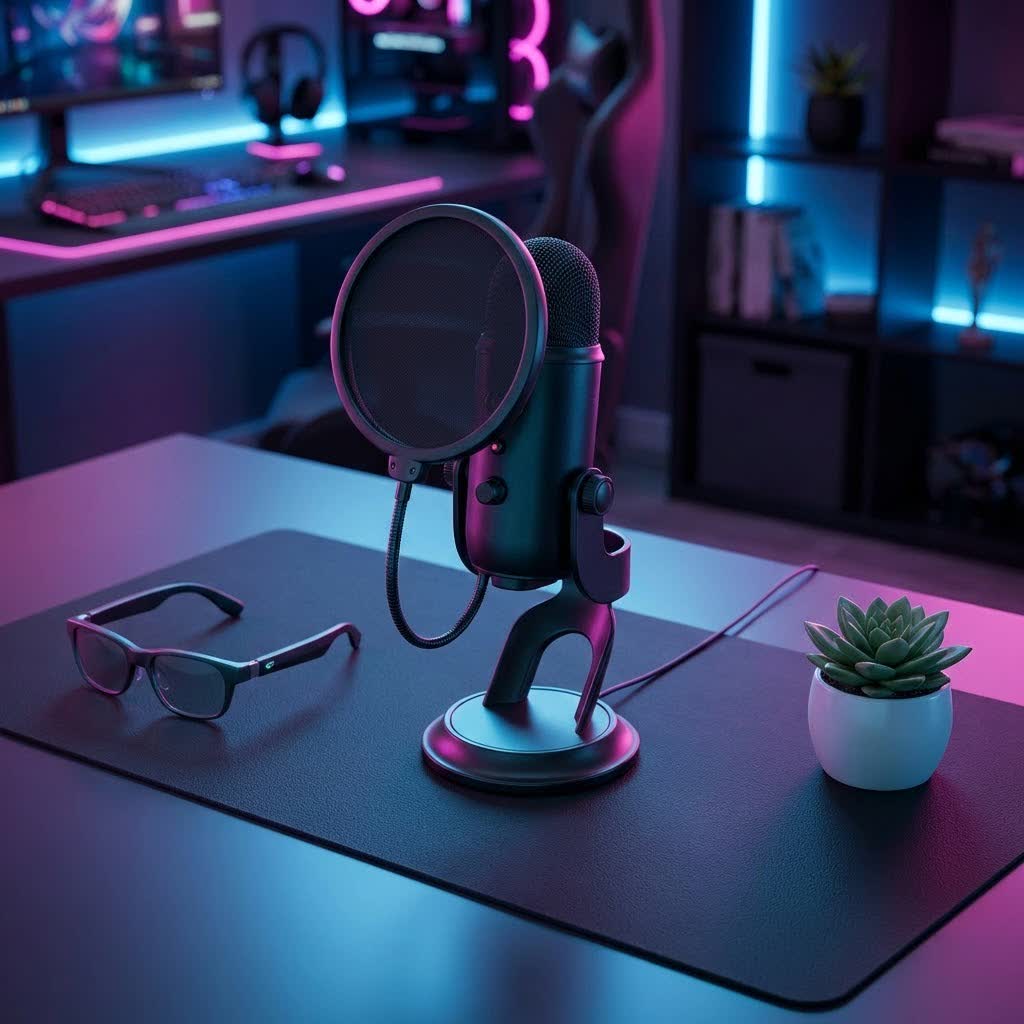
USB Microphones: Overview and Applications
A USB microphone integrates a microphone capsule, a preamplifier, and an analog-to-digital converter into a single, user-friendly device. This design simplifies the recording process, allowing direct connection to a computer or mobile device without the need for additional audio interfaces or complex setups. This plug-and-play convenience has made USB microphones incredibly popular, democratizing access to high-quality audio capture for a wide audience.
The versatility of USB microphones like the Rode NT-USB makes them suitable for a myriad of applications:
- Podcasting and Streaming: For creators who need clear, focused vocals that cut through background noise, USB microphones are an excellent choice. The cardioid pickup pattern inherent in many models helps isolate the speaker’s voice, delivering professional-sounding broadcasts and streams.
- Voice-overs and Narration: Whether you’re narrating a video, recording an audiobook, or developing e-learning content, these microphones provide the fidelity required for crisp, articulate voice capture.
- Gaming: Gamers benefit from superior communication with teammates, ensuring every command and reaction is heard with exceptional clarity, enhancing the overall immersive experience.
- Music Recording: While traditionally requiring complex studio setups, modern USB microphones can capture vocals and acoustic instruments with surprising detail and warmth, making them ideal for home studio musicians.
- Online Meetings and Conferencing: Elevate your professional presence in virtual meetings with significantly improved audio quality compared to built-in laptop or webcam microphones.
Classifying USB Microphones
Understanding the different types of USB microphones helps in appreciating the design and capabilities of the Rode NT-USB series. Microphones can be classified based on their transducer type, pickup pattern, and integrated features.
By Transducer Type
- Condenser Microphones: Known for their sensitivity, wide frequency response, and ability to capture intricate details, condenser microphones are the preferred choice for studio recording of vocals and acoustic instruments. The Rode NT-USB, NT-USB+, and NT-USB Mini are all large-diaphragm condenser microphones, designed to deliver rich, broadcast-quality sound.
- Dynamic Microphones: These microphones are generally more robust and less sensitive to room acoustics, making them suitable for loud sound sources or untreated recording environments. While the core NT-USB line uses condenser technology, Rode also offers dynamic USB microphones like the PodMic USB for different applications.
|
Our Picks for the Best USB Microphone in 2026
As an Amazon Associate I earn from qualifying purchases.
|
||
| Num | Product | Action |
|---|---|---|
| 1 | Logitech Creators Blue Yeti USB Microphone for Gaming, Streaming, Podcast, YouTube, Discord, PC, Studio Sound, Plug & Play-Blackout |

|
| 2 | Dynamic Microphone, USB-C/XLR Podcast Recording PC Microphone for Podcast Recording Streaming Gaming with RGB Light, Mute Button, Desktop Stand, Headphones Jack, Vocal Mic for Singing Tiktok YouTube |
|
| 3 | ZealSound Podcast USB Microphone for PC/Mac/iPhone, Cardioid Condenser Mic with Noise Reduction, Tap-to-Mute, RGB Lighting, Zero Latency Monitoring, Volume Control for Gaming, Recording, YouTube |
|
| 4 | FIFINE USB/XLR Dynamic Microphone for Podcast Recording, PC Computer Gaming Streaming Mic with RGB Light, Mute Button, Headphones Jack, Desktop Stand, Vocal Mic for Singing YouTube-AmpliGame AM8 |
|
| 5 | FIFINE USB Microphone, Metal Condenser Recording Microphone for MAC OS, Windows, Cardioid Laptop Mic for Recording Vocals, Voice Overs, Streaming, Meeting and YouTube Videos-K669B |
|
| 6 | DUNGZDUZ USB Microphone for Laptop and Desktop Computer, High Sensitivity for Clear Call, Plug-and-Play, High Gain, Cordless Mini-Sized Portable, Ideal for Work & Study |
|
| 7 | P PUPGSIS XLR/USB Podcast Microphone, Gaming Mic with Mute Button, Reverb Effects, Noise Cancellation, Boom Arm Stand, Headphones Jack, Dynamic Microphone for Streaming/Recording/Gaming/Vocal-Black |
|
| 8 | Shure MV7+ Podcast Dynamic Microphone – OBS Certified, Enhanced Audio, LED Panel, USB-C & XLR Outputs, Auto Level Mode, Digital Pop Filter, Reverb Effects – For Podcasting, Streaming, Recording, Black |
|
| 9 | JOUNIVO USB Microphone, 360 Degree Adjustable Gooseneck Design, Mute Button & LED Indicator, Noise-Canceling Technology, Plug & Play, Compatible with Windows & MacOS |
|
| 10 | Amazon Basics USB Condenser Microphone for Streaming, Recording, and Podcasting on PC, Plug and Play, Cardioid Pickup, Adjustable Stand with 360° Rotation, 5.8 x 3.4 inches, Black |
|
By Pickup Pattern
The polar pattern describes how a microphone captures sound from different directions.
- Cardioid: This is the most common pattern for USB microphones, including the Rode NT-USB series. A cardioid microphone primarily captures sound from the front while significantly reducing audio from the sides and rear. This characteristic is ideal for single vocalists, podcasters, and streamers, as it helps isolate the desired sound source and minimize unwanted room noise.
- Omnidirectional: An omnidirectional microphone captures sound equally from all directions. This pattern is useful for recording group discussions or ambient sounds, but it’s not a feature of the Rode NT-USB line.
- Bidirectional (Figure-8): This pattern picks up sound from the front and back while rejecting sound from the sides, often used for two-person interviews where subjects face each other. This is also not a feature of the Rode NT-USB.
By Integrated Features
Modern USB microphones vary widely in the additional functionalities they offer.
- Microphones with Integrated Sound Card and Advanced DSP: High-end USB microphones, such as the Rode NT-USB+, feature built-in digital signal processing (DSP). This allows for onboard effects like compression, equalization, noise reduction, and sophisticated vocal enhancements (e.g., APHEX® processing). These microphones often include zero-latency headphone monitoring with mix control, enabling real-time audio feedback and balancing microphone input with computer playback.
- Microphones without Advanced DSP: Simpler USB microphones may offer basic monitoring capabilities but rely on computer software for any post-processing. The original Rode NT-USB falls into this category compared to its successor, though it still offers excellent core performance.
Key Factors When Choosing a USB Microphone
Selecting the right USB microphone involves considering several critical factors that impact performance, usability, and overall value.
Audio Quality
The foundation of any good microphone is its ability to capture sound accurately and cleanly.
- Sensitivity: This refers to how well the microphone picks up sound at a given distance. Condenser microphones, like the Rode NT-USB+, are known for their high sensitivity, capable of capturing subtle nuances in vocals and instruments.
- Frequency Response: Represented as a range (e.g., 20Hz-20kHz), this indicates the spectrum of audio frequencies the microphone can reproduce. A wider, flatter frequency response generally signifies a more accurate and natural sound reproduction. The Rode NT-USB+ boasts a full 20Hz to 20kHz response, capturing both deep lows and sparkling highs.
- Noise Level (Self-Noise): This refers to the inherent electronic noise generated by the microphone itself. Ultra-low self-noise is paramount for professional-grade recordings. The Rode NT-USB+, with its Revolution Preamp™, is particularly lauded for its exceptionally low noise floor, ensuring crystal-clear audio free from distracting hiss.
- Bit Depth and Sample Rate: These technical specifications define the digital audio resolution. The original Rode NT-USB offers 16-bit/48kHz, while the NT-USB+ elevates this to 24-bit/48kHz. Higher bit depth (like 24-bit) allows for a wider dynamic range and greater detail in the digital audio signal, providing more flexibility in post-production.
Durability and Design
A microphone’s physical attributes contribute to its longevity and user experience.
- Materials: Reputable brands like Rode utilize robust materials, often metal, for their microphone casings, ensuring durability and a premium feel. The Rode NT-USB series is known for its solid, studio-grade construction.
- Form Factor: The NT-USB and NT-USB+ are side-address condenser microphones, meaning you speak into the side of the microphone rather than the top. Their sleek, classic design makes them visually appealing in any setup.
- Portability: Despite their studio-grade performance, many USB microphones are designed with portability in mind. The NT-USB series, with its included desktop tripod stand, offers a convenient and compact setup for recording on the go or in various home environments.
Additional Features
Beyond basic sound capture, integrated features can significantly enhance a microphone’s utility.
- Volume and Mix Controls: The Rode NT-USB and NT-USB+ both feature physical dials for headphone volume and a mix control, allowing users to balance the level between the microphone input and the computer’s playback audio. This is invaluable for musicians tracking vocals against a backing track or podcasters monitoring their voice alongside other audio sources.
- Headphone Jack: A crucial feature for real-time, zero-latency monitoring. This allows you to hear your voice exactly as the microphone captures it, without any distracting delay, ensuring optimal performance and preventing clipping.
- Mute Function: While the original NT-USB relied on software muting, the NT-USB+ offers more intuitive control, often integrating with Rode’s software for quick muting capabilities.
- Included Accessories: The Rode NT-USB series typically comes with a high-quality pop filter to minimize plosives (harsh ‘P’ and ‘B’ sounds), a desktop tripod stand for immediate use, a ring mount for attaching to boom arms, and a USB cable. These inclusions provide a complete recording solution right out of the box.
- Software Integration and DSP: The NT-USB+ significantly benefits from its compatibility with Rode’s software (RØDE Connect, RØDE Central), which unlocks powerful APHEX® audio processing. These internal DSP effects—including a high-pass filter, noise gate, compressor, Aural Exciter, and Big Bottom—can sculpt your vocal tone for a professional, broadcast-ready sound directly from the microphone, offloading processing from your computer.
Comparing the Rode NT-USB Series on the Market
The Rode NT-USB lineup offers compelling options for various users, from budget-conscious beginners to professionals seeking advanced features. Here’s a comparison of the primary models:
| Feature | Rode NT-USB (Original) | Rode NT-USB+ | Rode NT-USB Mini |
|---|---|---|---|
| Type | Large-diaphragm Condenser | Large-diaphragm Condenser | Condenser |
| Pickup Pattern | Cardioid | Cardioid | Cardioid |
| Frequency Response | 20Hz – 20kHz | 20Hz – 20kHz | 20Hz – 20kHz |
| Bit Depth/Sample Rate | 16-bit/48kHz | 24-bit/48kHz | 24-bit/48kHz |
| Preamps | Standard, high-quality | Ultra-low noise, high-gain Revolution Preamp™ | High-quality |
| DSP Effects | No (software-dependent) | Yes (via RØDE Connect/Central: compressor, EQ, noise gate, Aural Exciter, Big Bottom) | Yes (via RØDE Connect/Central: compressor, noise gate, high-pass filter) |
| Connectivity | USB-B | USB-C | USB-C |
| Headphone Out | Yes, with mix control (zero-latency) | Yes, with mix control (zero-latency) | Yes, with volume control (zero-latency, switchable) |
| Included Acc. | Pop filter, desktop tripod, ring mount, 6m USB-B cable, pouch | Pop filter, desktop tripod, ring mount, USB-C cable | Detachable magnetic desk stand, USB-C cable, in-built pop filter |
| Pros | Studio-quality sound, easy setup, durable, well-established reputation. | Superior audio with Revolution Preamp™, advanced DSP, modern USB-C, excellent clarity, robust build, versatile for all applications. | Compact, portable, clear sound, budget-friendly, good for close-miking, in-built pop filter. |
| Cons | Older USB-B connectivity, no internal DSP, 16-bit resolution, no physical gain control. | Higher price point, iOS connectivity might need specific cables/adapters. | Less robust desktop stand, smaller capsule, no physical mix control knob, may be too sensitive for untreated rooms without software processing. |
| Typical Price | (Often discounted as an older model) | ~$169 – $199 | ~$99 – $129 |
The Rode NT-USB+ stands out as the flagship, offering the best audio quality and feature set within the series, making it a professional-grade solution that rivals some XLR microphones. The original NT-USB, while still providing excellent sound, is an older model that can be a good value if found on sale. The NT-USB Mini is a fantastic portable and affordable option for those starting out or needing a compact solution.
When considering alternatives, microphones like the Blue Yeti are often compared, but the NT-USB+ typically offers a more refined sound and better noise performance. Dynamic USB microphones such as the Rode PodMic USB or Shure MV7 offer a different sonic character and are often preferred in less-treated acoustic environments due to their lower sensitivity to room reflections.
Guide to Choosing the Right USB Microphone
Navigating the options can feel overwhelming, but a systematic approach will lead you to the perfect microphone.
Determine Your Usage Needs
Start by clearly defining what you’ll use the microphone for.
- Purpose: Are you primarily recording vocals for music, hosting a podcast, live streaming gameplay, or participating in video conferences? Different applications might prioritize certain features like a wide frequency response for music versus robust noise reduction for streaming.
- Environment: Consider your recording space. A well-treated studio can benefit from the sensitivity of a condenser like the NT-USB+, while an untreated room might require more focus on a microphone’s cardioid pattern and perhaps even its internal DSP to minimize ambient noise.
- Budget: USB microphones range widely in price. Establishing a budget early will help narrow down your choices, ensuring you find the best value without overspending.
Research and Compare Products Thoroughly
Once you have a clear idea of your needs and budget, dive into research.
- Read Reviews and Comparisons: Consult reputable audio equipment websites, tech blogs, and user reviews (like this article!). Pay attention to consistent praise or common complaints about audio quality, build, and features.
- Watch Video Reviews: YouTube is an invaluable resource for listening to actual audio samples from different microphones. This can give you a much better sense of a microphone’s tonal characteristics than written descriptions alone.
- Seek Expert Opinions: Don’t hesitate to ask for advice from experienced audio engineers, fellow content creators, or knowledgeable sales associates. Their insights can be invaluable.
Purchase from Reputable Retailers
Where you buy your microphone is almost as important as which microphone you choose.
- Check Warranty and Return Policies: Ensure the retailer offers a solid warranty and a clear return policy in case the microphone doesn’t meet your expectations or has an unforeseen defect. Rode, for instance, often provides extended warranties upon product registration.
- Inspect the Product: If purchasing in person, always check the physical condition of the microphone and its accessories. If ordering online, do a thorough inspection upon arrival.
Leading USB Microphone Brands
The market for USB microphones is competitive, with several brands consistently delivering high-quality products.
- Rode: An Australian company renowned for its professional studio microphones, Rode has successfully translated its expertise into the USB segment with the NT-USB series, PodMic USB, and NT-USB Mini, earning a reputation for exceptional sound and build quality.
- Blue Microphones (now Logitech for Creators): Famous for iconic models like the Blue Yeti and Snowball, Blue has been a pioneer in making high-quality USB microphones accessible to the mass market.
- Audio-Technica: A respected name in audio, Audio-Technica offers reliable USB microphone options like the AT2020USB+, known for its clear condenser sound.
- HyperX: A popular brand in gaming peripherals, HyperX produces gaming-focused USB microphones such as the QuadCast, which combine good audio with gamer-specific features.
- Samson: Samson provides a range of affordable yet capable USB microphones like the Q2U (a hybrid USB/XLR mic) and the G-Track Pro, catering to various entry-level and intermediate needs.
> “The leap in USB microphone technology, especially with models like the Rode NT-USB+, has truly blurred the lines between ‘pro’ and ‘consumer’ audio. The integration of advanced preamps and DSP effects right into the mic makes achieving a polished sound easier than ever before.” – Ken Theriot, Home Brew Audio
Conclusion
The Rode NT-USB series represents a significant advancement in USB microphone technology, offering a blend of studio-grade audio performance, robust construction, and user-friendly features. Whether you opt for the versatile Rode NT-USB+, with its cutting-edge Revolution Preamp™ and APHEX® DSP, the original NT-USB for its proven quality, or the compact NT-USB Mini, you are investing in a tool that can dramatically elevate your audio production. These microphones simplify the path to professional sound, making them ideal companions for podcasters, streamers, musicians, and anyone seeking to capture their voice with exceptional clarity and detail. By understanding your specific needs and leveraging the power of these innovative devices, you can unlock a new level of audio quality in your creative endeavors.
What will you create next with crystal-clear audio?
Frequently Asked Questions
Is the Rode NT-USB+ compatible with mobile devices?
Yes, the Rode NT-USB+ features a USB-C connection, allowing direct plug-and-play compatibility with computers, as well as iOS and Android smartphones and tablets. For iOS devices, specific Rode cables (like the SC19) or Apple Camera Connection Kits might be required to ensure seamless connectivity.
Does the Rode NT-USB+ require special drivers?
No, the Rode NT-USB+ is a class-compliant USB microphone. This means it works seamlessly with Windows, macOS, iOS, and Android operating systems without the need for installing any additional drivers or software, allowing for immediate plug-and-play functionality.
What is the Revolution Preamp™?
The Revolution Preamp™ is Rode’s ultra-low-noise, high-gain preamp technology integrated into the NT-USB+ and other professional-grade Rode microphones. It is designed to deliver crystal-clear audio with an incredibly low noise floor, ensuring pristine sound capture even with quieter sources.
Can I monitor my voice in real-time with the Rode NT-USB+?
Absolutely. The Rode NT-USB+ features a 3.5mm stereo headphone jack with zero-latency monitoring, allowing you to hear your voice as it’s being recorded without any delay. It also includes a mix control dial to balance your microphone input with the audio playback from your computer or mobile device.
What are APHEX DSP effects?
APHEX DSP effects refer to the powerful digital signal processing capabilities built into the Rode NT-USB+ and accessible via Rode’s companion software like RØDE Connect and RØDE Central. These effects include a high-pass filter, noise gate, compressor, and the legendary Aural Exciter™ and Big Bottom™ effects, which can significantly enhance and shape your vocal tone for broadcast-quality sound directly from the microphone.
