In today’s dynamic digital landscape, capturing clear, high-quality audio is more crucial than ever. Whether you’re a budding podcaster, an aspiring singer-songwriter, a dedicated gamer, or someone who frequently participates in online conferences, a reliable microphone is your essential tool. USB vocal microphones have revolutionized how we record and communicate, offering unparalleled convenience and impressive performance without the complex setups of traditional studio gear. They integrate a preamp and an analog-to-digital converter, making them simple, portable, and a direct link to your computer or smart device. This comprehensive guide will navigate you through the world of USB vocal microphones, helping you understand their features, classifications, and how to choose the perfect one to amplify your voice.
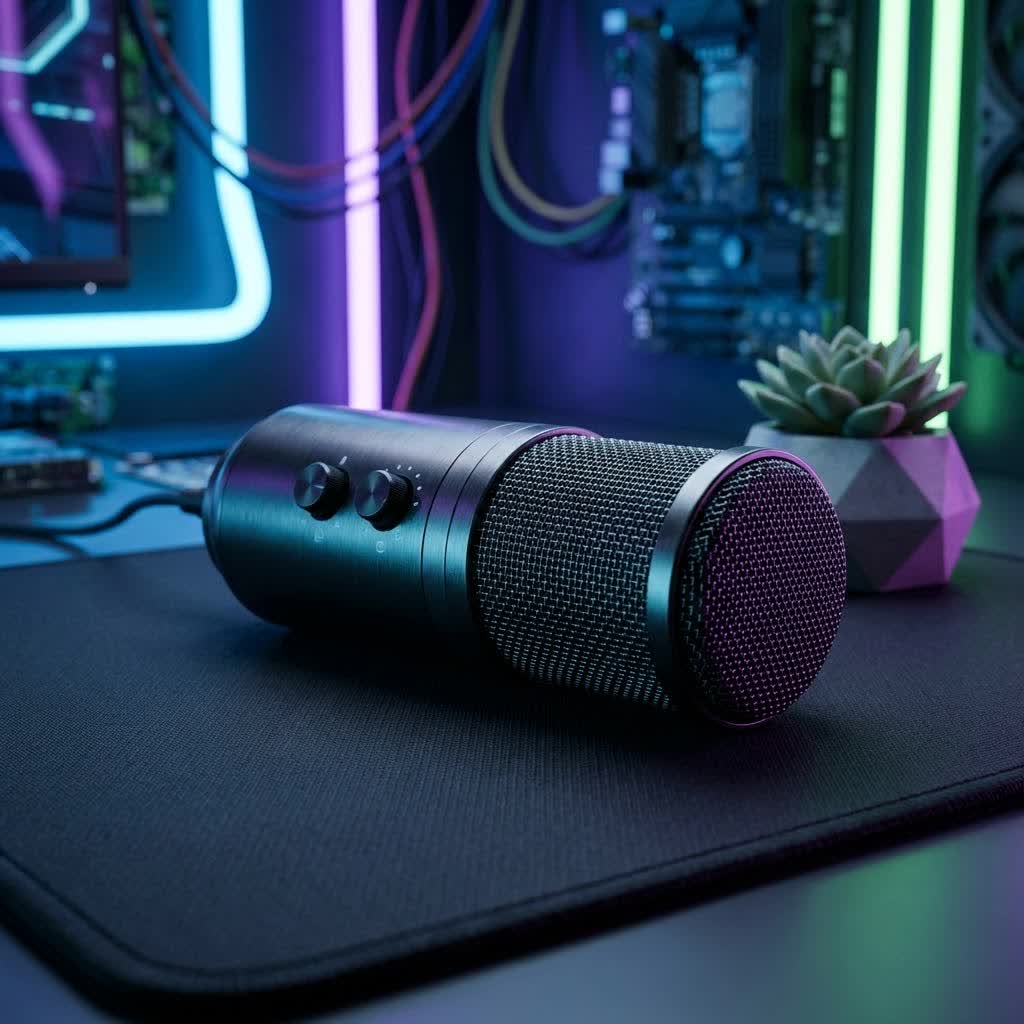
USB Vocal Microphones: Overview and Applications
USB vocal microphones are all-in-one audio solutions that connect directly to your computer, tablet, or smartphone via a USB cable. This eliminates the need for external audio interfaces, mixers, or phantom power, making them incredibly user-friendly and ideal for home studios or on-the-go recording. The simplicity of plug-and-play functionality has democratized high-quality audio capture, making it accessible to a wider audience.
These versatile microphones find extensive applications across various fields:
- Music Recording: For vocalists, USB microphones are excellent for capturing demos, practicing, or recording full tracks in a home studio environment. They provide clear, detailed sound for both singing and acoustic instruments.
- Podcasting: USB microphones are a staple for podcasters, offering professional-grade voice reproduction with minimal setup. Their ability to deliver crisp, focused audio is perfect for interviews, narrations, and solo broadcasts.
- Gaming and Streaming: Gamers and live streamers rely on USB microphones for clear in-game communication and engaging commentary. Features like noise reduction and real-time monitoring enhance the audience experience.
- Online Conferencing and Remote Work: For virtual meetings, webinars, and online teaching, a good USB microphone drastically improves audio clarity, ensuring your message is heard loud and clear.
Classifying USB Vocal Microphones
USB vocal microphones can be categorized based on their capsule type, polar pattern, and additional features. Understanding these distinctions is key to selecting a microphone that best suits your specific vocal needs and recording environment.
By Capsule Type
The two primary types of microphone capsules are condenser and dynamic, each with distinct characteristics.
- Condenser Microphones: These microphones are known for their high sensitivity and ability to capture intricate details across a wide frequency range. They are ideal for studio environments, nuanced vocal performances, and acoustic instruments where capturing subtlety is important. However, their sensitivity means they can also pick up more room noise, making them less suitable for untreated spaces.
- Dynamic Microphones: Dynamic microphones are robust, durable, and less sensitive than condensers. They excel in louder environments or untreated rooms, effectively rejecting background noise and focusing on the sound source directly in front of them. This makes them excellent for live vocals, loud instruments, and situations where noise isolation is paramount. Many popular podcasting mics are dynamic due to their ability to provide a clean, dry signal.
|
Our Picks for the Best USB Microphone in 2026
As an Amazon Associate I earn from qualifying purchases.
|
||
| Num | Product | Action |
|---|---|---|
| 1 | DUNGZDUZ USB Microphone for Laptop and Desktop Computer, High Sensitivity for Clear Call, Plug-and-Play, High Gain, Cordless Mini-Sized Portable, Ideal for Work & Study |

|
| 2 | ZealSound Podcast USB Microphone for PC/Mac/iPhone, Cardioid Condenser Mic with Noise Reduction, Tap-to-Mute, RGB Lighting, Zero Latency Monitoring, Volume Control for Gaming, Recording, YouTube |
|
| 3 | FIFINE USB/XLR Dynamic Microphone for Podcast Recording, PC Computer Gaming Streaming Mic with RGB Light, Mute Button, Headphones Jack, Desktop Stand, Vocal Mic for Singing YouTube-AmpliGame AM8 |
|
| 4 | Dynamic Microphone, USB-C/XLR Podcast Recording PC Microphone for Podcast Recording Streaming Gaming with RGB Light, Mute Button, Desktop Stand, Headphones Jack, Vocal Mic for Singing Tiktok YouTube |
|
| 5 | FIFINE USB Microphone, Metal Condenser Recording Microphone for MAC OS, Windows, Cardioid Laptop Mic for Recording Vocals, Voice Overs, Streaming, Meeting and YouTube Videos-K669B |
|
| 6 | P PUPGSIS XLR/USB Podcast Microphone, Gaming Mic with Mute Button, Reverb Effects, Noise Cancellation, Boom Arm Stand, Headphones Jack, Dynamic Microphone for Streaming/Recording/Gaming/Vocal-Black |
|
| 7 | Logitech Creators Blue Yeti USB Microphone for Gaming, Streaming, Podcast, YouTube, Discord, PC, Studio Sound, Plug & Play-Blackout |
|
| 8 | Shure MV7+ Podcast Dynamic Microphone – OBS Certified, Enhanced Audio, LED Panel, USB-C & XLR Outputs, Auto Level Mode, Digital Pop Filter, Reverb Effects – For Podcasting, Streaming, Recording, Black |
|
| 9 | Amazon Basics USB Condenser Microphone for Streaming, Recording, and Podcasting on PC, Plug and Play, Cardioid Pickup, Adjustable Stand with 360° Rotation, 5.8 x 3.4 inches, Black |
|
| 10 | JOUNIVO USB Microphone, 360 Degree Adjustable Gooseneck Design, Mute Button & LED Indicator, Noise-Canceling Technology, Plug & Play, Compatible with Windows & MacOS |
|
By Pickup Pattern (Polar Pattern)
A microphone’s pickup pattern, or polar pattern, describes the directions from which it captures sound. Choosing the right pattern is crucial for isolating your voice and minimizing unwanted ambient noise.
- Cardioid: This is the most common pattern for vocal microphones. Cardioid mics primarily pick up sound from the front, with significant rejection of sound from the sides and rear. This makes them ideal for solo vocalists, podcasts, and streaming where you want to focus on a single speaker and reduce room reflections.
- Omnidirectional: Omnidirectional microphones capture sound equally from all directions. While less common for solo vocals in noisy environments, they are excellent for recording group discussions, ambient sounds, or situations where you want to capture the natural acoustics of a room.
- Bidirectional (Figure-8): Bidirectional microphones pick up sound from the front and back equally, while rejecting sound from the sides. This pattern is often used for interviews with two people facing each other, or for specific musical recording techniques.
- Multi-pattern: Some advanced USB microphones offer switchable polar patterns, allowing you to choose between cardioid, omnidirectional, bidirectional, and sometimes stereo modes. This versatility makes them suitable for a wide range of recording scenarios.
By Additional Features
Modern USB microphones come with a variety of built-in features that enhance usability and recording quality.
- Integrated Sound Card (Audio Interface): All USB microphones inherently contain a built-in analog-to-digital converter (ADC), effectively acting as their own audio interface. This is what allows them to convert analog sound into a digital signal that your computer can process.
- Onboard Controls: Many USB mics include physical controls for gain adjustment, headphone volume, and quick mute buttons. These tactile controls provide immediate feedback and ease of use during recording sessions.
- Headphone Jack with Zero-Latency Monitoring: A crucial feature for vocalists, this allows you to hear your voice in real-time, directly from the microphone, without any delay (latency). This ensures accurate performance and level adjustment.
- Digital Signal Processing (DSP): Some microphones incorporate DSP features like noise reduction, EQ presets (e.g., “Articulation Boost” or “Big Bottom”), and compressors. These can help achieve broadcast-quality sound directly from the microphone, reducing the need for extensive post-production.
- Dual USB/XLR Connectivity: Hybrid microphones like the Shure MV7+ offer both USB and XLR outputs, providing flexibility for both simple plug-and-play use and integration into more professional studio setups with external audio interfaces.
Key Factors When Choosing a USB Vocal Microphone
Selecting the right USB vocal microphone involves considering several crucial factors that impact sound quality, usability, and durability.
Sound Quality
The ultimate goal is to capture your voice with clarity and fidelity.
- Sensitivity: Condenser mics typically have higher sensitivity, picking up more subtle nuances in your voice. Dynamic mics are less sensitive, which helps in rejecting background noise in untreated rooms.
- Frequency Response: This indicates the range of frequencies the microphone can capture. A wide, flat frequency response (e.g., 20Hz-20kHz) generally means a more accurate and natural sound reproduction, allowing for greater flexibility in post-production. Some mics might have a tailored frequency response to flatter the human voice, with slight boosts in certain ranges.
- Self-Noise: All microphones generate a small amount of internal electronic noise. A lower self-noise rating means a cleaner recording, especially important for quiet vocal passages.
- Bit Depth and Sample Rate: Most modern USB mics support 24-bit/48kHz resolution, which is considered broadcast quality and provides excellent dynamic range for most vocal recordings. Higher sample rates like 96kHz or even 192kHz are available on some models, offering even greater detail, though often overkill for standard vocal applications.
Durability and Design
A microphone is an investment, and its physical attributes contribute to its longevity and ease of use.
- Materials: Microphones constructed with metal casings and robust grilles tend to be more durable and can withstand the rigors of frequent use or travel.
- Form Factor and Portability: Some USB mics are designed as compact, portable units ideal for mobile recording, while others are larger desktop models. Consider your typical recording environment and whether you need to transport the microphone frequently. Many come with integrated desktop stands or are easily mountable on boom arms.
- Aesthetics: While not directly impacting sound quality, the design of the microphone can be a factor, especially for streamers or video content creators who want their gear to look professional on camera.
Additional Features
Beyond basic audio capture, certain features can significantly enhance your workflow.
- Volume Controls and Headphone Jack: Essential for real-time monitoring of your audio, allowing you to hear yourself without latency and adjust levels on the fly.
- Mute Button: A convenient physical mute button is invaluable for live streaming, gaming, or online calls, preventing unintended sounds from being broadcast.
- Software Integration: Some brands offer companion software (e.g., Shure MOTIV App, Rode Central) that provides advanced controls, DSP effects, or vocal presets, adding a layer of professional polish to your recordings.
- Compatibility: Ensure the microphone is compatible with your operating system (Windows, macOS, iOS, Android) and your preferred recording software (DAW, streaming platforms).
Comparing Popular USB Vocal Microphones
The market offers a wide array of USB vocal microphones, each with its strengths. Here’s a comparison of some highly-rated models for various needs:
| Product Name | Type | Polar Pattern | Frequency Response | Key Advantages | Key Disadvantages | Price Range (USD) |
|---|---|---|---|---|---|---|
| Shure MV7+ | Dynamic | Cardioid | 50 Hz – 16 kHz | Hybrid USB/XLR, excellent noise rejection, DSP effects, touch controls, durable. | Pricier than many USB-only options. | $250 – $300 |
| Rode NT-USB+ | Condenser | Cardioid | 20 Hz – 20 kHz | Clear, detailed sound, Aphex DSP, zero-latency monitoring, robust build. | DSP control primarily via app, no physical gain. | $150 – $200 |
| Blue Yeti X | Condenser | Multi-pattern | 20 Hz – 20 kHz | Versatile with four polar patterns, good sound for various uses, Blue VO!CE software. | Can be sensitive to room noise, somewhat bulky. | $150 – $200 |
| Audio-Technica AT2020USB-X | Condenser | Cardioid | 20 Hz – 20 kHz | Clean, neutral sound, high-resolution ADC, headphone jack with mix control. | Highly sensitive, picks up untreated room noise. | $150 – $180 |
| Audio-Technica AT2040USB | Dynamic | Hypercardioid | 80Hz-16kHz | Excellent background noise rejection, warm sound, built-in low-cut filter, durable. | Quite heavy, not as versatile for musical pursuits. | $120 – $160 |
| Samson Q2U | Dynamic | Cardioid (Unidirectional) | 50 Hz – 15 kHz | Dual USB/XLR, affordable, durable, good for beginners in untreated rooms. | Frequency response slightly limited. | $70 – $100 |
| Apogee HypeMiC | Condenser | Cardioid | 20 Hz – 20 kHz | High-fidelity audio, built-in analog compressor, very portable. | Micro USB connectivity (older standard), premium price. | $350 – $400 |
> “The Shure MV7+ consistently stands out as a top contender, offering a blend of professional-grade sound, robust features, and the flexibility of both USB and XLR connectivity, making it a favorite for podcasters and vocalists alike.”
How to Choose the Right USB Vocal Microphone
Making the final decision on a USB vocal microphone requires a thoughtful evaluation of your personal requirements and recording environment.
Determine Your Usage Needs
Start by clarifying how you intend to use the microphone.
- Purpose: Are you primarily singing, podcasting, gaming, or conducting online meetings?
- For singing and detailed music recording, a condenser microphone with a wide frequency response (like the Rode NT-USB+ or Audio-Technica AT2020USB-X) will capture nuances best.
- For podcasting and streaming in less-than-ideal rooms, a dynamic microphone (such as the Shure MV7+ or Audio-Technica AT2040USB) with good noise rejection is often preferred.
- For versatility across different vocal styles or group recordings, a multi-pattern condenser like the Blue Yeti X can be a great asset.
- Recording Environment: Is your space acoustically treated and quiet, or do you have significant background noise?
- In treated, quiet rooms, condenser mics can shine.
- In untreated, noisy rooms, dynamic mics with cardioid or hypercardioid patterns will help isolate your voice more effectively.
- Budget: USB microphones range from budget-friendly options to premium models. Set a realistic budget and prioritize features that are most important for your primary use case. The Samson Q2U offers excellent value for beginners.
Research and Compare Products
Once you have a clearer idea of your needs, dive into detailed research.
- Read Reviews: Consult reputable tech and audio websites, and read user reviews for insights into real-world performance. Look for consistency in feedback regarding sound quality, durability, and ease of use.
- Watch Video Reviews: YouTube reviews often include sound samples, allowing you to hear how different microphones perform with various vocal styles and in different environments.
- Seek Recommendations: Talk to friends, colleagues, or online communities involved in similar activities (e.g., music production forums, streaming communities) for their experiences and advice.
Purchase from Reputable Retailers
Where you buy your microphone is almost as important as which one you choose.
- Warranty and Return Policies: Ensure the retailer offers a clear warranty and return policy in case the microphone doesn’t meet your expectations or has a defect.
- Product Inspection: If purchasing in person, physically inspect the microphone for any signs of damage or manufacturing flaws.
Leading USB Vocal Microphone Brands
Several brands have established themselves as leaders in the USB microphone market, consistently delivering quality and innovation.
- Rode: Known for professional-grade audio equipment, Rode offers USB microphones like the NT-USB+ that are highly regarded for their clarity, low-noise preamps, and integrated DSP.
- Blue (now Logitech): Blue Microphones gained immense popularity with its Yeti series, offering versatile multi-pattern condenser microphones that are user-friendly and deliver excellent sound quality for various applications.
- Audio-Technica: A respected name in audio, Audio-Technica provides a range of USB microphones, including the AT2020USB-X and AT2040USB, known for their transparent sound and robust build quality.
- Shure: With a legendary history in microphone manufacturing, Shure’s USB offerings like the MV7+ combine professional performance with intuitive features, often drawing inspiration from their iconic studio microphones.
- Samson: Samson offers affordable yet capable USB microphones like the Q2U, which are popular among beginners for their dual USB/XLR connectivity and solid performance.
- HyperX: Primarily a gaming brand, HyperX produces USB microphones like the QuadCast S that appeal to streamers with features like multiple polar patterns, high resolution, and customizable RGB lighting.
- Apogee: Apogee brings its high-fidelity audio expertise to USB microphones with models like the HypeMiC, featuring built-in analog compression for studio-quality vocal captures.
Conclusion
The evolution of USB vocal microphones has democratized high-quality audio, making it easier than ever for creators to share their voices with the world. By understanding the different types of microphones, their core features, and how to match them to your specific needs and recording environment, you can confidently select a tool that truly elevates your sound. From the robust noise rejection of a dynamic mic to the detailed clarity of a condenser, the perfect USB vocal microphone is out there, waiting to unlock your full vocal potential.
What vocal projects are you planning to embark on that require the perfect USB microphone?
