In today’s digital landscape, where content creation, remote work, and online communication are paramount, the quality of your audio can make or break your message. Whether you’re a budding podcaster, a seasoned streamer, a musician laying down tracks, or simply looking to enhance your virtual meeting presence, a high-quality microphone is an indispensable tool. Among the myriad options available, USB microphones have emerged as a favorite for their convenience and plug-and-play simplicity. Within this category, the Rode NT-USB series stands out as a benchmark for studio-grade sound, offering professional performance without the complexities of traditional audio setups. This guide will delve into the world of USB microphones, with a special focus on the renowned Rode NT-USB and its advanced successor, the Rode NT-USB+.
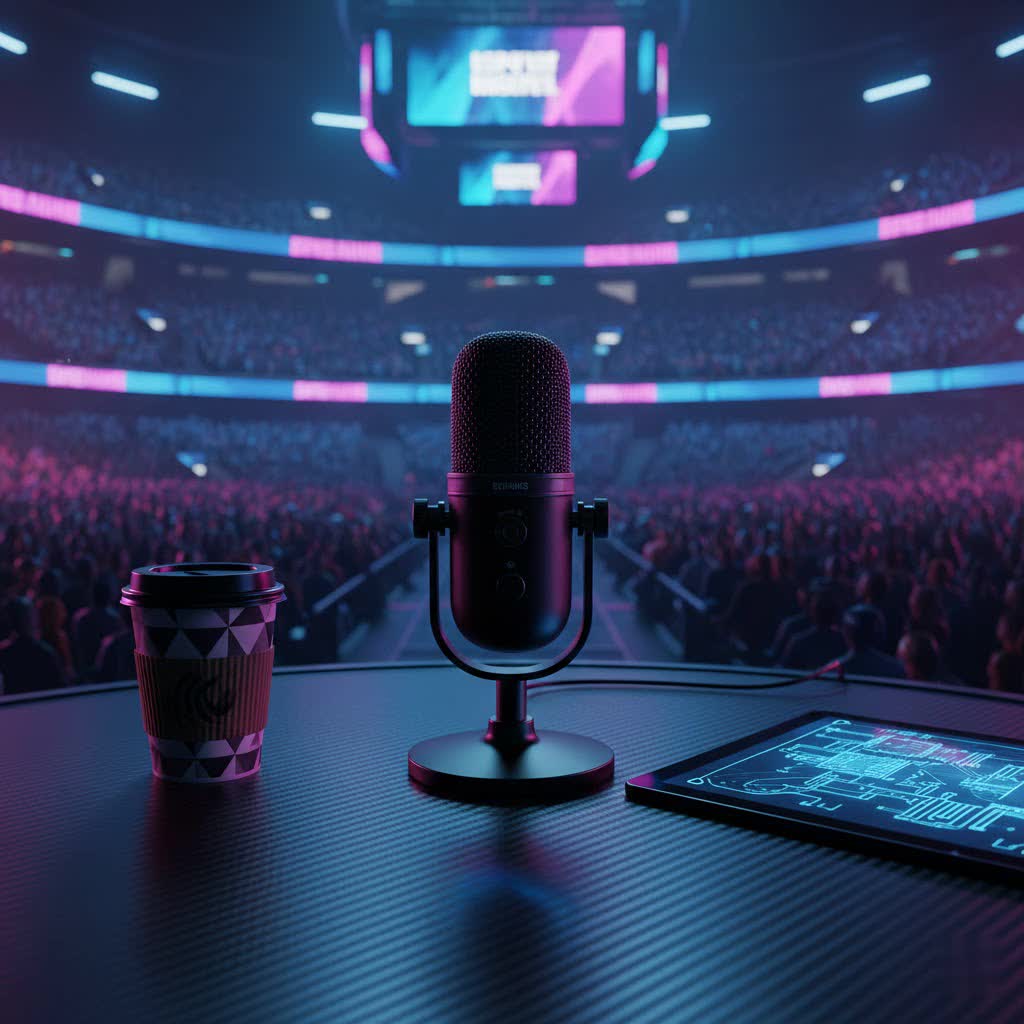
USB Microphones: An Overview for Modern Creators
A USB microphone is an all-in-one audio solution that integrates a microphone capsule, a preamp, and an analog-to-digital (A/D) converter into a single unit. This ingenious design allows it to connect directly to your computer or mobile device via a standard USB cable, bypassing the need for an external audio interface or mixer. This plug-and-play functionality makes USB microphones incredibly popular among creators who prioritize ease of use and a streamlined setup.
The versatility of USB microphones makes them suitable for a wide array of applications. Podcasters can capture clear, broadcast-quality vocals, while streamers and gamers benefit from crisp communication with their audience and teammates. Musicians use them for recording demos, vocals, and acoustic instruments, and professionals leverage them for high-fidelity voiceovers and crystal-clear online conferences. The simplicity and growing audio quality of USB microphones have democratized professional sound, making it accessible to everyone.
Understanding USB Microphone Classifications
To truly appreciate the nuances of the Rode NT-USB series, it’s helpful to understand the broader classifications of USB microphones based on their design and functionality.
Based on Transducer Type
The transducer type refers to how the microphone converts sound waves into electrical signals, fundamentally impacting its sound characteristics.
- Condenser Microphones: Known for their sensitivity, detailed sound reproduction, and wide frequency response, condenser microphones are excellent for capturing the subtle nuances of vocals and acoustic instruments. They excel in quieter environments, picking up a broad range of frequencies with clarity. The Rode NT-USB and NT-USB+ are prime examples of high-quality condenser USB microphones, celebrated for their ability to deliver a natural, transparent, and crisp sound. However, their sensitivity also means they can pick up more ambient room noise if the environment isn’t treated.
- Dynamic Microphones: These microphones are generally more robust and less sensitive than condensers. They perform exceptionally well with loud sound sources, such as powerful vocals, drums, or amplified instruments, without distortion. Dynamic microphones are also highly effective at rejecting background noise due to their lower sensitivity and often require the speaker to be closer to the mic. While the Rode NT-USB series are condensers, understanding dynamic mics helps appreciate the specific strengths of a condenser for studio-grade detail.
|
Our Picks for the Best USB Microphone in 2026
As an Amazon Associate I earn from qualifying purchases.
|
||
| Num | Product | Action |
|---|---|---|
| 1 | JOUNIVO USB Microphone, 360 Degree Adjustable Gooseneck Design, Mute Button & LED Indicator, Noise-Canceling Technology, Plug & Play, Compatible with Windows & MacOS |

|
| 2 | P PUPGSIS XLR/USB Podcast Microphone, Gaming Mic with Mute Button, Reverb Effects, Noise Cancellation, Boom Arm Stand, Headphones Jack, Dynamic Microphone for Streaming/Recording/Gaming/Vocal-Black |
|
| 3 | FIFINE USB Microphone, Metal Condenser Recording Microphone for MAC OS, Windows, Cardioid Laptop Mic for Recording Vocals, Voice Overs, Streaming, Meeting and YouTube Videos-K669B |
|
| 4 | DUNGZDUZ USB Microphone for Laptop and Desktop Computer, High Sensitivity for Clear Call, Plug-and-Play, High Gain, Cordless Mini-Sized Portable, Ideal for Work & Study |
|
| 5 | ZealSound Podcast USB Microphone for PC/Mac/iPhone, Cardioid Condenser Mic with Noise Reduction, Tap-to-Mute, RGB Lighting, Zero Latency Monitoring, Volume Control for Gaming, Recording, YouTube |
|
| 6 | Shure MV7+ Podcast Dynamic Microphone – OBS Certified, Enhanced Audio, LED Panel, USB-C & XLR Outputs, Auto Level Mode, Digital Pop Filter, Reverb Effects – For Podcasting, Streaming, Recording, Black |
|
| 7 | Amazon Basics USB Condenser Microphone for Streaming, Recording, and Podcasting on PC, Plug and Play, Cardioid Pickup, Adjustable Stand with 360° Rotation, 5.8 x 3.4 inches, Black |
|
| 8 | Dynamic Microphone, USB-C/XLR Podcast Recording PC Microphone for Podcast Recording Streaming Gaming with RGB Light, Mute Button, Desktop Stand, Headphones Jack, Vocal Mic for Singing Tiktok YouTube |
|
| 9 | Logitech Creators Blue Yeti USB Microphone for Gaming, Streaming, Podcast, YouTube, Discord, PC, Studio Sound, Plug & Play-Blackout |
|
| 10 | FIFINE USB/XLR Dynamic Microphone for Podcast Recording, PC Computer Gaming Streaming Mic with RGB Light, Mute Button, Headphones Jack, Desktop Stand, Vocal Mic for Singing YouTube-AmpliGame AM8 |
|
Based on Polar Pattern
A microphone’s polar pattern describes the direction from which it picks up sound. Choosing the right pattern is crucial for isolating desired audio and minimizing unwanted noise.
- Cardioid: This is the most common polar pattern for USB microphones, including the Rode NT-USB and NT-USB+. A cardioid pattern primarily captures sound from the front of the microphone while significantly rejecting sound from the sides and rear. This makes it ideal for solo vocalists, podcasters, and streamers who want to focus on their voice and minimize room reflections or background noise.
- Omnidirectional: An omnidirectional microphone picks up sound equally from all directions. This pattern is suitable for recording group discussions, capturing ambient room sound, or situations where multiple speakers are positioned around a single microphone.
- Bidirectional (Figure-8): This pattern captures sound from the front and rear of the microphone while rejecting sounds from the sides. It’s often used for interviews where two people are facing each other, with the microphone placed between them. Some multi-pattern USB microphones may offer this option.
Based on Integrated Features
Modern USB microphones go beyond basic audio capture, incorporating various features that enhance usability and performance.
- Microphones with Built-in Sound Cards/DSP: Many USB microphones, like the Rode NT-USB+, include sophisticated internal electronics such as high-gain preamps and digital signal processing (DSP) chips. The NT-USB+ features Rode’s ultra-low-noise Revolution Preamp™ and APHEX® audio processing, which can include a high-pass filter, noise gate, compressor, and legendary Aural Exciter and Big Bottom effects, accessible via Rode’s software. These features allow for real-time audio shaping and processing without taxing your computer’s CPU.
- Microphones for Basic Plug-and-Play: Simpler USB microphones focus purely on ease of use, offering fundamental audio capture without advanced onboard processing. While they still provide good quality, they rely more on external software for any sound enhancement.
Essential Factors When Choosing Your USB Microphone
Selecting the best USB microphone, whether it’s the Rode NT-USB or another model, involves considering several key factors to ensure it aligns with your specific needs.
Audio Fidelity
The core purpose of any microphone is to capture high-quality sound.
- Sensitivity & Frequency Response: A microphone’s sensitivity indicates how well it picks up sound, while frequency response describes the range of frequencies it can capture. The Rode NT-USB series boasts an extended frequency response (20Hz – 20kHz), ensuring it captures both deep lows and crisp highs, making vocals sound natural and transparent. High sensitivity means it can capture even quiet whispers cleanly.
- Bit Depth & Sample Rate: These specifications determine the resolution and detail of the digital audio. The original Rode NT-USB operates at 16-bit/48kHz, providing excellent, CD-quality audio. The Rode NT-USB+ elevates this to 24-bit/48kHz, offering a higher dynamic range and more detailed audio capture, which is considered broadcast quality.
- Self-Noise: All microphones generate a small amount of internal electronic noise. Rode is known for designing low-noise microphones, and both the NT-USB and NT-USB+ offer very low self-noise, ensuring clean recordings without distracting hiss or hum.
Build Quality and Ergonomics
A microphone’s physical attributes contribute to its longevity and user experience.
- Material & Durability: The Rode NT-USB is praised for its solid, durable, and classy-looking build. A robust construction ensures the microphone can withstand regular use and potential bumps without compromising performance.
- Design & Portability: The physical design, including its form factor and weight, affects its portability and how easily it integrates into your setup. The Rode NT-USB comes with a well-designed desktop tripod and a ring mount for standard mic stands, offering flexibility in placement.
- Included Accessories: Valuable accessories like a pop filter, tripod desk stand, ring mount, and carry case, which are typically included with the Rode NT-USB series, add significant value and convenience. A pop filter is essential for minimizing plosives (harsh “p” and “b” sounds), ensuring smoother vocal recordings.
Added Functionality
Beyond basic audio capture, modern USB microphones offer features that enhance the recording and monitoring experience.
- Zero-Latency Headphone Monitoring & Controls: A crucial feature for serious recording, zero-latency monitoring allows you to hear your voice directly from the microphone without any delay, preventing distracting echoes. The Rode NT-USB and NT-USB+ both include a 3.5mm headphone jack with independent volume control and a mix control dial, allowing you to balance your microphone input with the computer’s audio playback. This is particularly useful for musicians recording alongside backing tracks or podcasters monitoring their output.
- Mute Buttons & Gain Control: While the original NT-USB has mix and headphone volume controls, the NT-USB+ does not feature an on-mic gain control or a dedicated mute button, often relying on software for these functions. Some users prefer physical controls for quick adjustments.
- Software Integration: The Rode NT-USB+ benefits greatly from Rode’s free software solutions like RØDE Connect, RØDE Central, and RØDE Reporter. These applications unlock the microphone’s internal APHEX® DSP, allowing users to apply processing effects, manage firmware updates, and even use multiple Rode USB devices simultaneously for podcasting and streaming.
Spotlight on the Rode NT-USB Microphone Series
The Rode NT-USB series has carved out a strong reputation for delivering professional audio quality in a user-friendly USB format.
The Original Rode NT-USB
First launched to critical acclaim, the original Rode NT-USB quickly became a favorite for its exceptional sound quality and straightforward operation. It features a studio-grade condenser capsule with a cardioid polar pattern, optimized for capturing clear, focused sound from the front. Its 16-bit/48kHz resolution ensures high-fidelity audio, making it suitable for a wide range of applications from singing and voiceovers to podcasting and streaming. The microphone comes complete with a high-quality pop filter, a sturdy desktop tripod, a ring mount for traditional mic stands, a 6-meter USB cable, and a storage pouch, offering a complete out-of-the-box solution. Users consistently praise its natural, clear, and transparent sound, often noting its impressive dynamic range for both soft whispers and loud vocals.
The Rode NT-USB+ (Enhanced Performance)
Building upon the success of its predecessor, the Rode NT-USB+ represents a significant internal upgrade, designed to meet the demands of modern content creators. Key enhancements include:
- USB-C Connectivity: Moving to USB-C offers broader compatibility with contemporary devices, including computers, smartphones, and tablets.
- 24-bit/48kHz Resolution: This upgrade provides a higher-resolution audio capture, yielding a richer, more detailed, and cleaner sound with a lower noise floor.
- Revolution Preamp™ and APHEX® DSP: The NT-USB+ integrates Rode’s state-of-the-art Revolution Preamp™ technology, known for its ultra-low noise and high gain, ensuring a robust signal. Additionally, a built-in DSP chip allows for advanced APHEX® audio processing (high-pass filter, noise gate, compressor, Aural Exciter, Big Bottom effects) to be applied directly within the microphone, optimizing your sound for broadcast quality via Rode’s software. This internal processing can significantly improve vocal presence and clarity, especially beneficial for podcasters and streamers.
- Improved Performance with Louder Sources: While the original NT-USB sometimes struggled with clipping on very loud instruments, the NT-USB+ addresses this with its enhanced preamp and DSP capabilities, allowing for better handling of diverse sound sources.
Both models retain the robust build and the essential zero-latency headphone monitoring, making them powerful tools for any content creator.
Comparison of Popular USB Microphones on the Market
To provide context, here’s a comparison of the Rode NT-USB series with other promineNt Usb Microphones, highlighting their unique selling points:
| Product Name | Type | Polar Pattern(s) | Freq. Response | Bit Depth/Sample Rate | Key Advantages | Potential Disadvantages | Approx. Price |
|---|---|---|---|---|---|---|---|
| Rode NT-USB | Condenser | Cardioid | 20Hz – 20kHz | 16-bit/48kHz | Studio-quality sound, low self-noise, excellent for vocals & instruments, included pop filter & tripod, zero-latency monitoring. | Older USB-A connectivity, 16-bit resolution, may clip with very loud sources. | $169 |
| Rode NT-USB+ | Condenser | Cardioid | 20Hz – 20kHz | 24-bit/48kHz | Enhanced sound quality (24-bit), USB-C, Revolution Preamp, APHEX DSP (via software), low noise, improved handling of loud sources, included pop filter & tripod, zero-latency monitoring. | Higher price than original, lacks on-mic gain/mute button (relies on software). | $200 |
| Shure MV7+ | Dynamic | Cardioid | 20Hz – 20kHz | 24-bit/48kHz | Dual USB-C & XLR outputs, Voice Isolation Technology, Auto Level Mode, built-in DSP, touch panel controls, excellent for untreated rooms, robust build. | Higher price point, dynamic mic requires closer proximity for optimal sound. | $279 |
| HyperX QuadCast S | Condenser | Cardioid, Omni, Bi, Stereo | 20Hz – 20kHz | 16-bit/48kHz | Multiple polar patterns, customizable RGB lighting, built-in pop filter & shock mount, tap-to-mute with LED indicator, popular for gaming & streaming. | Sound quality may not match dedicated studio mics, RGB is aesthetic-focused. | $160 |
| Blue Yeti | Condenser | Cardioid, Omni, Bi, Stereo | 20Hz – 20kHz | 16-bit/48kHz | Versatile multi-pattern microphone, simple plug-and-play, widely popular entry-level option, good for various scenarios. | Can be sensitive to background noise, large footprint, sound can be “thin” compared to premium options. | $100 |
*Prices are approximate and subject to change.
A Guide to Selecting the Perfect USB Microphone for You
Choosing the right USB microphone involves a thoughtful assessment of your personal requirements and the vast market offerings.
Defining Your Needs
Start by clearly outlining what you intend to use the microphone for.
- Purpose of Use: Are you primarily recording vocals for music, producing a podcast, streaming gameplay, doing voiceovers, or engaging in online meetings? Each application may benefit from different microphone characteristics. For instance, a condenser like the Rode NT-USB is excellent for nuanced vocal and instrument capture, while a dynamic mic might be preferred in very noisy environments.
- Recording Environment: Do you have an acoustically treated studio, a quiet home office, or a room with noticeable background noise? Condenser mics, while detailed, can be prone to picking up unwanted ambient sounds. If your environment is noisy, a cardioid pattern (like that of the Rode NT-USB) is essential to minimize off-axis noise.
- Budget Considerations: USB microphones range widely in price. Determine a realistic budget, understanding that higher price points often correspond to better sound quality, more advanced features, and superior build. The Rode NT-USB series offers an excellent balance of professional quality and value.
Research and Evaluation
Once you have a clear idea of your needs, dive into research to compare products.
- Consult Reviews and Comparisons: Read in-depth reviews from reputable audio websites and tech journalists. Pay attention to how the microphone performs for your specific use case.
- Watch Video Demonstrations: YouTube is an invaluable resource for listening to audio samples and seeing microphones in action. This allows you to judge sound quality and understand ergonomics before purchasing.
- Seeking Expert Advice: Don’t hesitate to ask for recommendations from experienced audio technicians, online communities, or sales representatives at reputable audio equipment stores. Their insights can be invaluable.
> “The greatest advantage of USB microphones is their ability to deliver professional audio quality with unparalleled ease of use. For anyone starting their audio journey, the plug-and-play nature is a game-changer, but understanding your specific needs ensures you pick a tool that truly elevates your craft.” – Admin, reviewtawk.com
Smart Purchasing Decisions
The final step is to make your purchase with confidence.
- Reputable Retailers and Warranty: Always buy from authorized dealers who offer a valid warranty and a clear return policy. Rode, for instance, often provides extended warranties upon product registration.
- Check Compatibility: Confirm that the microphone is compatible with your operating system (Windows, macOS, iOS, Android) and any specific software you plan to use.
- Hands-on Testing (if possible): If feasible, test the microphone in a store or through a trial period to ensure it meets your expectations for sound and functionality.
Leading USB Microphone Brands Beyond Rode
While the Rode NT-USB series holds a strong position, several other reputable brands offer excellent USB microphones catering to various needs:
- Blue: Famous for its iconic Yeti and Snowball microphones, Blue offers versatile multi-pattern condenser USB mics that are popular entry-level choices for podcasters and streamers.
- Audio-Technica: Known for its professional audio equipment, Audio-Technica offers USB versions of its popular studio microphones, such as the AT2020USB-X and the AT2040USB (a dynamic hypercardioid mic well-suited for noisy environments).
- HyperX: A favorite among gamers and streamers, HyperX’s QuadCast S offers multiple polar patterns, customizable RGB lighting, and integrated features like a pop filter and shock mount.
- Shure: With a legendary status in audio, Shure provides high-quality USB microphones like the MV7 and MV7+, which bridge the gap between USB and XLR connectivity, offering excellent sound, especially in untreated rooms due to their Voice Isolation Technology.
- Samson: Samson offers budget-friendly yet capable USB microphones like the Q2U (a hybrid USB/XLR dynamic mic) and the Meteor, providing excellent value for beginners.
Conclusion
The world of USB microphones has evolved dramatically, offering professional-grade audio solutions that are more accessible and convenient than ever before. For content creators seeking pristine sound with a straightforward setup, the Rode NT-USB and its advanced counterpart, the Rode NT-USB+, represent exceptional choices. With their studio-grade condenser capsules, cardioid polar patterns, zero-latency monitoring, and robust builds, they deliver clear, natural, and transparent audio that can truly elevate your productions. The NT-USB+’s inclusion of Rode’s Revolution Preamp and APHEX DSP further refines its sound, offering advanced processing right at the source.
When embarking on your journey to find the perfect USB microphone, remember to consider your specific needs, compare features and sound quality, and choose a reputable brand. By understanding the nuances of these powerful tools, you can unlock your full creative potential and ensure your voice is heard with the clarity it deserves. What audio projects are you looking to enhance with a professional USB microphone?
Frequently Asked Questions
Is the Rode NT-USB good for singing?
Yes, the Rode NT-USB is highly regarded for singing. As a studio-grade condenser microphone with a wide frequency response and natural sound reproduction, it excels at capturing the nuances and dynamics of vocal performances, delivering clear and transparent audio suitable for professional-sounding recordings.
What’s the difference between Rode NT-USB and NT-USB+?
The Rode NT-USB+ is an upgraded version of the original NT-USB. Key differences include USB-C connectivity (vs. USB-A), 24-bit/48kHz audio resolution (vs. 16-bit/48kHz), and the inclusion of Rode’s ultra-low-noise Revolution Preamp™ and APHEX® DSP effects, which enhance sound quality and offer more processing capabilities via software.
Do USB microphones need phantom power?
No, USB microphones do not typically require external phantom power. They are self-powered via the USB connection to your computer or device, which supplies the necessary power for their internal circuitry, including the preamp and A/D converter.
Can you use a USB mic with an iPad?
Yes, many USB microphones, including the Rode NT-USB and NT-USB+, are compatible with iPads. For older iPads with Lightning ports, a suitable USB connection adapter like the Apple Camera Connection Kit is usually required. Newer iPads with USB-C ports can often connect directly to USB-C microphones.
Are USB microphones as good as XLR microphones?
While many high-end XLR microphones paired with dedicated audio interfaces can offer superior flexibility and sometimes higher fidelity for professional studio environments, modern USB microphones have significantly closed the gap. For most content creators, home studio users, and streamers, high-quality USB microphones like the Rode NT-USB+ offer comparable excellent sound quality and convenience, making them a very viable and often more practical alternative.
