In the dynamic world of content creation, where every word and sound shapes your audience’s experience, choosing the right microphone is paramount. The Sennheiser Profile Usb Microphone emerges as a compelling solution, promising professional-grade audio without the complexities of traditional setups. Whether you’re a burgeoning podcaster, a dedicated streamer, a musician laying down tracks, or someone simply seeking crystal-clear communication, this microphone is engineered to deliver. This comprehensive guide delves into the nuances of USB microphones, spotlights the Sennheiser Profile’s unique capabilities, and offers practical advice to help you find your perfect audio companion.
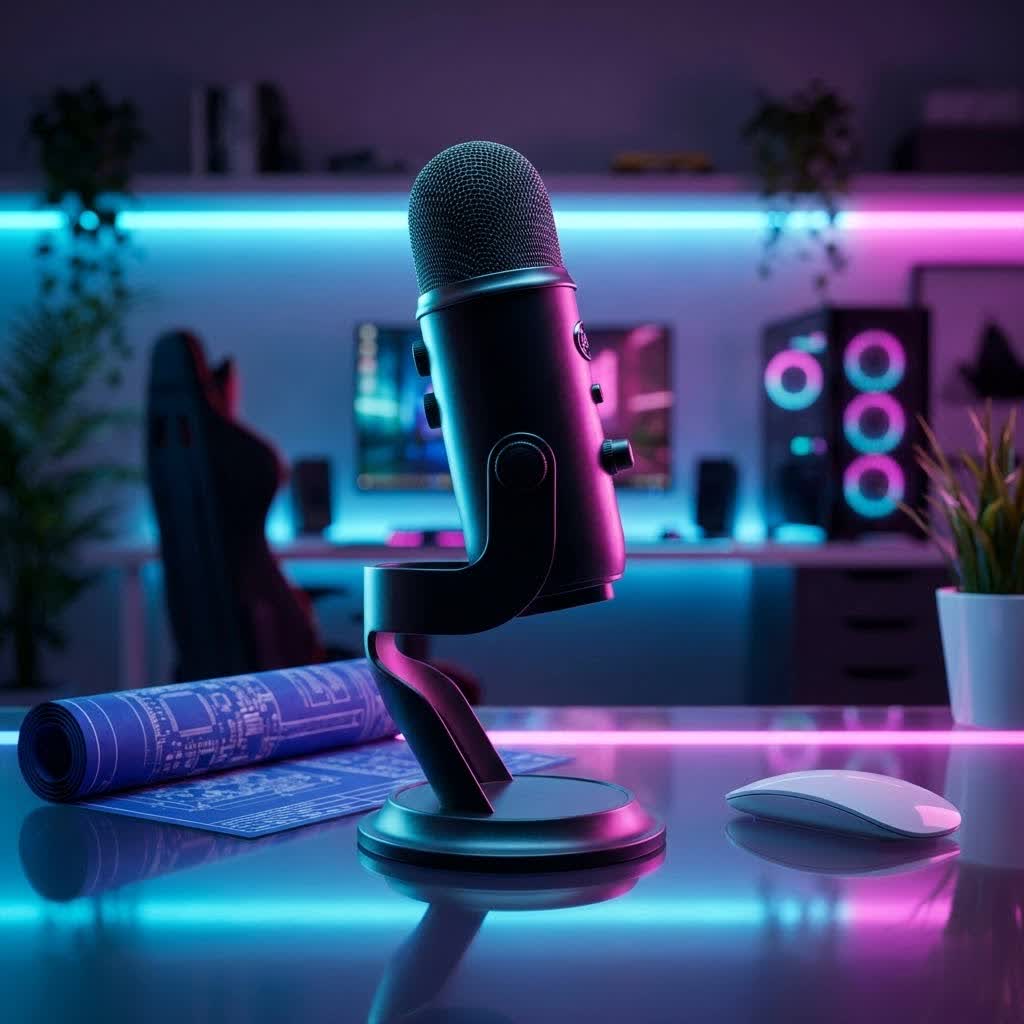
USB Microphones: An Overview and Their Versatile Applications
USB microphones have revolutionized accessibility to high-quality audio recording, democratizing sound for creators of all levels. Unlike their XLR counterparts, which often require additional interfaces and preamps, USB mics connect directly to your computer or device, offering a plug-and-play convenience that is hard to beat. Their inherent simplicity makes them an ideal choice for a vast array of applications.
These versatile tools are the cornerstone for captivating podcasts, ensuring every host and guest sounds clear and engaging. For live streamers and gamers, a USB microphone provides crisp voiceovers and in-game communication, enhancing viewer immersion and team coordination. Musicians leverage them for recording vocals, acoustic instruments, and demos, benefiting from their direct digital connection. Furthermore, in an increasingly remote world, USB microphones are indispensable for professional online meetings, webinars, and virtual presentations, guaranteeing superior clarity over built-in laptop microphones.
Demystifying USB Microphone Classifications
Understanding the different types of USB microphones helps clarify why certain models, like the Sennheiser Profile, excel in specific scenarios. These classifications primarily revolve around their internal mechanics and how they capture sound.
Based on Microphone Type: Condenser vs. Dynamic
The two primary types of microphones are condenser and dynamic, each with distinct characteristics:
- Condenser Microphones: Known for their sensitivity, wide frequency response, and ability to capture intricate sound details. They require power (phantom power, often supplied via USB for USB condensers) to operate their internal circuitry. The Sennheiser Profile is a condenser microphone, making it excellent for capturing nuances in vocals and acoustic instruments, and is highly sensitive to sound.
- Dynamic Microphones: Generally more robust and less sensitive than condensers, dynamic mics are often preferred for live performances or environments with high sound pressure levels. They are less susceptible to picking up background noise. While the Sennheiser Profile is a condenser, its cardioid pattern and robust build offer a good balance, making it forgiving in various home studio environments.
|
Our Picks for the Best USB Microphone in 2026
As an Amazon Associate I earn from qualifying purchases.
|
||
| Num | Product | Action |
|---|---|---|
| 1 | Logitech Creators Blue Yeti USB Microphone for Gaming, Streaming, Podcast, YouTube, Discord, PC, Studio Sound, Plug & Play-Blackout |

|
| 2 | DUNGZDUZ USB Microphone for Laptop and Desktop Computer, High Sensitivity for Clear Call, Plug-and-Play, High Gain, Cordless Mini-Sized Portable, Ideal for Work & Study |
|
| 3 | FIFINE USB Microphone, Metal Condenser Recording Microphone for MAC OS, Windows, Cardioid Laptop Mic for Recording Vocals, Voice Overs, Streaming, Meeting and YouTube Videos-K669B |
|
| 4 | JOUNIVO USB Microphone, 360 Degree Adjustable Gooseneck Design, Mute Button & LED Indicator, Noise-Canceling Technology, Plug & Play, Compatible with Windows & MacOS |
|
| 5 | ZealSound Podcast USB Microphone for PC/Mac/iPhone, Cardioid Condenser Mic with Noise Reduction, Tap-to-Mute, RGB Lighting, Zero Latency Monitoring, Volume Control for Gaming, Recording, YouTube |
|
| 6 | P PUPGSIS XLR/USB Podcast Microphone, Gaming Mic with Mute Button, Reverb Effects, Noise Cancellation, Boom Arm Stand, Headphones Jack, Dynamic Microphone for Streaming/Recording/Gaming/Vocal-Black |
|
| 7 | FIFINE USB/XLR Dynamic Microphone for Podcast Recording, PC Computer Gaming Streaming Mic with RGB Light, Mute Button, Headphones Jack, Desktop Stand, Vocal Mic for Singing YouTube-AmpliGame AM8 |
|
| 8 | Shure MV7+ Podcast Dynamic Microphone – OBS Certified, Enhanced Audio, LED Panel, USB-C & XLR Outputs, Auto Level Mode, Digital Pop Filter, Reverb Effects – For Podcasting, Streaming, Recording, Black |
|
| 9 | Dynamic Microphone, USB-C/XLR Podcast Recording PC Microphone for Podcast Recording Streaming Gaming with RGB Light, Mute Button, Desktop Stand, Headphones Jack, Vocal Mic for Singing Tiktok YouTube |
|
| 10 | Amazon Basics USB Condenser Microphone for Streaming, Recording, and Podcasting on PC, Plug and Play, Cardioid Pickup, Adjustable Stand with 360° Rotation, 5.8 x 3.4 inches, Black |
|
Based on Polar Pattern: Cardioid, Omnidirectional, Bidirectional
A microphone’s polar pattern describes its directionality—how it picks up sound from different angles.
- Cardioid: This is the most common pattern for USB microphones and the design of the Sennheiser Profile. It primarily picks up sound from the front, rejecting sound from the sides and rear. This makes it ideal for single-person podcasts, streaming, or vocal recordings, as it minimizes room echo and ambient noise.
- Omnidirectional: Captures sound equally from all directions. Useful for recording group discussions or capturing the natural ambiance of a room.
- Bidirectional (Figure-8): Picks up sound from the front and back, while rejecting sounds from the sides. Often used for interviews where two people face each other.
The Sennheiser Profile’s cardioid polar pattern is a key feature, ensuring your voice is front and center while reducing unwanted background interference, which is crucial for clear recordings and live broadcasts.
Based on Features: Integrated vs. Non-integrated Sound Card
Almost all USB microphones include an integrated sound card (also known as an Analog-to-Digital Converter or ADC). This built-in component converts the analog audio signal from the microphone capsule into a digital signal that your computer can understand.
- Microphone with Integrated Sound Card: The vast majority of USB microphones fall into this category, including the Sennheiser Profile. This means you don’t need a separate audio interface, simplifying your setup significantly. They are truly “plug-and-play.”
- Microphone without Integrated Sound Card: These are typically XLR microphones, which require an external audio interface (with its own sound card) to connect to a computer.
The Sennheiser Profile’s integrated sound card ensures a seamless setup, allowing you to connect directly via USB-C and begin recording immediately without any additional hardware or complex software installations.
Critical Factors When Choosing a USB Microphone
Selecting the right USB microphone involves considering several key elements that impact performance, usability, and overall value.
Quality Factors: Audio, Durability, and Features
Audio Quality
The essence of any microphone lies in its ability to capture sound faithfully.
- Sensitivity: Refers to how well a microphone picks up quiet sounds. Condenser mics like the Sennheiser Profile are generally highly sensitive, capturing subtle nuances in your voice.
- Frequency Response: This indicates the range of frequencies (from low bass to high treble) a microphone can capture. A wide and flat frequency response (like the Profile’s 20 to 20,000 Hz) ensures a natural and balanced sound reproduction.
- Noise: Microphones produce a small amount of self-noise. Lower self-noise is preferable for clean recordings. The Sennheiser Profile is praised for its clean audio and effective background noise rejection, minimizing unwanted distractions like sibilance and plosives.
Durability and Design
A microphone isn’t just about sound; its physical attributes contribute to its longevity and user experience.
- Materials: Premium materials often signify better durability and a more professional feel. The Sennheiser Profile boasts a premium, solid metal construction with a soft satin finish, giving it a robust and high-quality feel.
- Form Factor: The physical size and shape influence placement and portability. The Sennheiser Profile offers both a compact desk stand option and a streaming set with a boom arm for flexible positioning.
- Portability: If you plan to record on the go, a lightweight and easily transportable microphone is key. While robust, the Profile’s USB connectivity makes it relatively portable for mobile setups.
Additional Features
Modern USB microphones often come with integrated features that enhance usability.
- Volume Control (Gain Control): Allows you to adjust the microphone’s input sensitivity. The Sennheiser Profile features a tactile mic gain dial with an LED indicator for clipping danger, although some users note its two-level indicator is less granular than desired.
- Headphone Jack (Latency-Free Monitoring): A crucial feature that lets you monitor your audio in real-time directly from the microphone, eliminating frustrating audio delays. The Profile includes a headphone jack with a robust volume control.
- Quick Mute Button: Essential for live situations to instantly silence your microphone. The Sennheiser Profile has a prominent mute button with a clear red LED indicator when active.
- Mix Control Dial: The Profile includes a convenient dial to balance the audio output between your microphone and your computer’s playback, perfect for monitoring your voice against music or game audio.
Sennheiser Profile USB Microphone: In-Depth Analysis and Market Comparison
The Sennheiser Profile USB Microphone, available as a standalone unit with a desk stand or as a “streaming set” with a boom arm, has carved out a niche for itself as a high-performance option for content creators.
Its primary strength lies in its exceptional audio quality. Reviewers consistently praise its crisp, clean, and warm sound, describing it as professional-grade. The cardioid condenser capsule effectively captures nuanced vocals and instruments while exhibiting impressive background noise rejection, minimizing distractions like keyboard clicks or distant conversations. Furthermore, its internal pop shield is highly effective at reducing plosives and sibilance, leading to polished recordings straight out of the box. The microphone also maintains a clear, full sound even when the gain is pushed, demonstrating minimal distortion.
In terms of build quality, the Profile lives up to Sennheiser’s reputation, featuring a solid metal construction and a premium feel. The physical controls for gain, mix, and headphone volume are highly intuitive and tactile, offering immediate adjustments without delving into software menus. For those opting for the streaming set, the included boom arm is lauded for its robust design and excellent vibration isolation, preventing desk bumps from translating into recorded audio.
However, some design choices have been noted as potential drawbacks. The boom arm’s hinges can be stiff, making initial positioning a bit of a “workout,” and its mounting to the microphone can feel somewhat awkward. The desk stand version also offers limited articulation, with only about 15 degrees of tilt. Another point of contention is the mic gain dial’s two-level clipping indicator (green for acceptable, amber for danger), which lacks a clear “red” signal for actual clipping, potentially leaving users unsure if their audio is distorting at higher volumes. While its “solid black” design is robust, some find it aesthetically uninspired.
Despite these minor quibbles, the Sennheiser Profile delivers remarkable performance for its price point, generally retailing around $129 for the basic set and $199 for the streaming set.
Comparison of Popular USB Microphones
To illustrate its position in the market, here’s a comparison with a couple of its notable competitors:
| Product Name | Microphone Type | Polar Pattern | Frequency Response | Sample Rate | Advantages | Disadvantages | Price (approx.) |
|---|---|---|---|---|---|---|---|
| Sennheiser Profile | Condenser | Cardioid | 20-20,000 Hz | 24-bit 48kHz | Excellent audio quality, premium build, great vibration isolation (with boom arm), tactile physical controls. | Boom arm stiffness/articulation, limited desk stand tilt, two-level clipping indicator. | $129 (mic) / $199 (set) |
| HyperX QuadCast S | Condenser | Multi-pattern | 20-20,000 Hz | 24-bit 96kHz | Multiple polar patterns, vibrant RGB lighting, built-in pop filter, shock mount, high sample rate. | Can be sensitive to background noise, RGB not for everyone, plastic build. | $160 |
| AKG Ara | Condenser | Cardioid/Front & Back | 20-20,000 Hz | 24-bit 96kHz | Dual polar patterns (cardioid & front/back), high sample rate, compact, robust metal build, affordable. | No dedicated gain control, sensitive to physical vibrations (no shock mount). | $99 |
The Sennheiser Profile stands out for its pure audio fidelity and premium construction, even if it offers fewer features or a less “flashy” design compared to some rivals.
Guide to Choosing the Right USB Microphone for Your Needs
Selecting the ideal USB microphone involves a thoughtful assessment of your specific requirements and available resources.
Identify Your Usage Needs
Start by clearly defining what you’ll use the microphone for:
- Purpose: Are you primarily recording vocals, instruments, podcasts, streaming gameplay, or conducting online meetings? Different uses might prioritize different features (e.g., multi-pattern for interviews, strong cardioid for solo vocals). The Sennheiser Profile, with its cardioid pattern and clean sound, excels in solo voice applications like podcasting and streaming.
- Environment: Will you be recording in a treated studio, a quiet home office, or a more ambient room? Microphones with good off-axis rejection, like the Sennheiser Profile, are beneficial in less-than-perfect acoustic spaces.
- Budget: USB microphones range widely in price. Determine a realistic budget, understanding that investing more often yields better build quality and audio performance. While the Sennheiser Profile is on the higher end for USB mics, its performance justifies the cost for serious creators.
Research and Compare Products
Once you have a clear idea of your needs, dive into research:
- Read Reviews and Comparisons: Consult reputable audio technology websites and industry publications. Look for detailed analyses of sound quality, build, and features.
- Watch Video Reviews: YouTube often features hands-on reviews where you can hear sound samples and see the microphone in action, which can be invaluable for assessing audio quality.
- Seek Recommendations: Ask friends, colleagues, or online communities for their experiences and suggestions.
> “The best microphone for you isn’t always the most expensive one; it’s the one that best fits your specific use case, environment, and budget while delivering the sound quality you need.” – James Cridland, Editor of Podnews, Audio Industry Expert
Purchase from Reputable Stores
Where you buy your microphone is as important as what you buy.
- Check Warranty and Return Policies: Ensure the retailer offers a comprehensive warranty and a clear return policy in case the microphone doesn’t meet your expectations.
- Inspect the Product: If buying in person, thoroughly inspect the microphone for any physical defects. If buying online, check package contents upon arrival.
Leading USB Microphone Brands Beyond Sennheiser
While the Sennheiser Profile represents a strong contender, the market is rich with other reputable brands producing excellent USB microphones. Exploring these can provide alternatives tailored to different needs and budgets.
- Rode: An Australian company renowned for its high-quality studio microphones, Rode also offers popular USB options like the Rode NT-USB Mini, known for its compact size and professional sound.
- Blue (Logitech for Creators): Perhaps one of the most recognizable brands in the USB microphone space, Blue (now part of Logitech for Creators) is famous for its iconic Yeti series and the more streamlined Snowball, offering versatility with multiple polar patterns.
- Audio-Technica: A Japanese audio giant, Audio-Technica produces a wide range of microphones, including the AT2020USB+, which brings the quality of their popular AT2020 studio condenser to a USB format.
- HyperX: A prominent brand in gaming peripherals, HyperX offers robust USB microphones like the QuadCast S and SoloCast, designed with gamers and streamers in mind, often featuring additional conveniences like built-in pop filters and shock mounts.
- Samson: Known for producing value-oriented audio equipment, Samson offers several accessible USB microphones like the G-Track Pro, which includes instrument input, making it versatile for musicians.
These brands demonstrate the breadth of options available, each with its unique strengths and target audience.
Conclusion
The Sennheiser Profile USB Microphone stands as a testament to Sennheiser’s legacy in professional audio, offering creators a path to pristine sound with unmatched ease. Its superb audio quality, robust construction, and intuitive physical controls make it an excellent choice for anyone serious about their podcasts, streams, or recordings. While minor design quirks might exist, its core performance and durability provide exceptional value. By understanding your specific creative needs and considering factors like sound quality, build, and features, you can confidently navigate the market and invest in a microphone that truly elevates your sonic signature.
Are you ready to experience the difference a truly professional USB microphone can make in your creative journey?
Frequently Asked Questions
Is the Sennheiser Profile USB Microphone good for streaming?
Absolutely. The Sennheiser Profile USB Microphone is highly recommended for streaming due to its excellent cardioid polar pattern, which focuses on your voice while rejecting background noise. Its clear, full-bodied sound and integrated physical controls for gain and monitoring make it easy to achieve professional-sounding audio for your audience without complex setups.
Does the Sennheiser Profile require special software?
No, the Sennheiser Profile USB Microphone is designed for true plug-and-play convenience. It connects directly to your computer via a USB-C cable and does not require any additional drivers or software installations to function. This makes it incredibly user-friendly for creators who want to get started quickly.
What is the difference between the Sennheiser Profile and the Streaming Set?
The Sennheiser Profile is available in two configurations: the standalone microphone with a desk stand, and the “Streaming Set.” The Streaming Set includes the same high-quality Profile USB microphone but adds a robust, desk-mounted boom arm, which offers greater positional flexibility and superior vibration isolation compared to the basic desk stand.
