In today’s digital world, clear and high-quality audio is no longer a luxury but a necessity. Whether you’re a budding podcaster, an avid gamer, a professional streamer, or simply seeking clearer communication in online meetings, a dedicated USB microphone for your PC can dramatically elevate your sound. Forget the muffled audio from built-in laptop mics; a USB microphone offers a convenient, plug-and-play solution that transforms your computer into a powerful audio recording hub. This comprehensive guide will walk you through everything you need to know, from understanding different types and key features to selecting the perfect USB microphone that aligns with your specific needs and budget.
USB Microphone: Overview and Applications
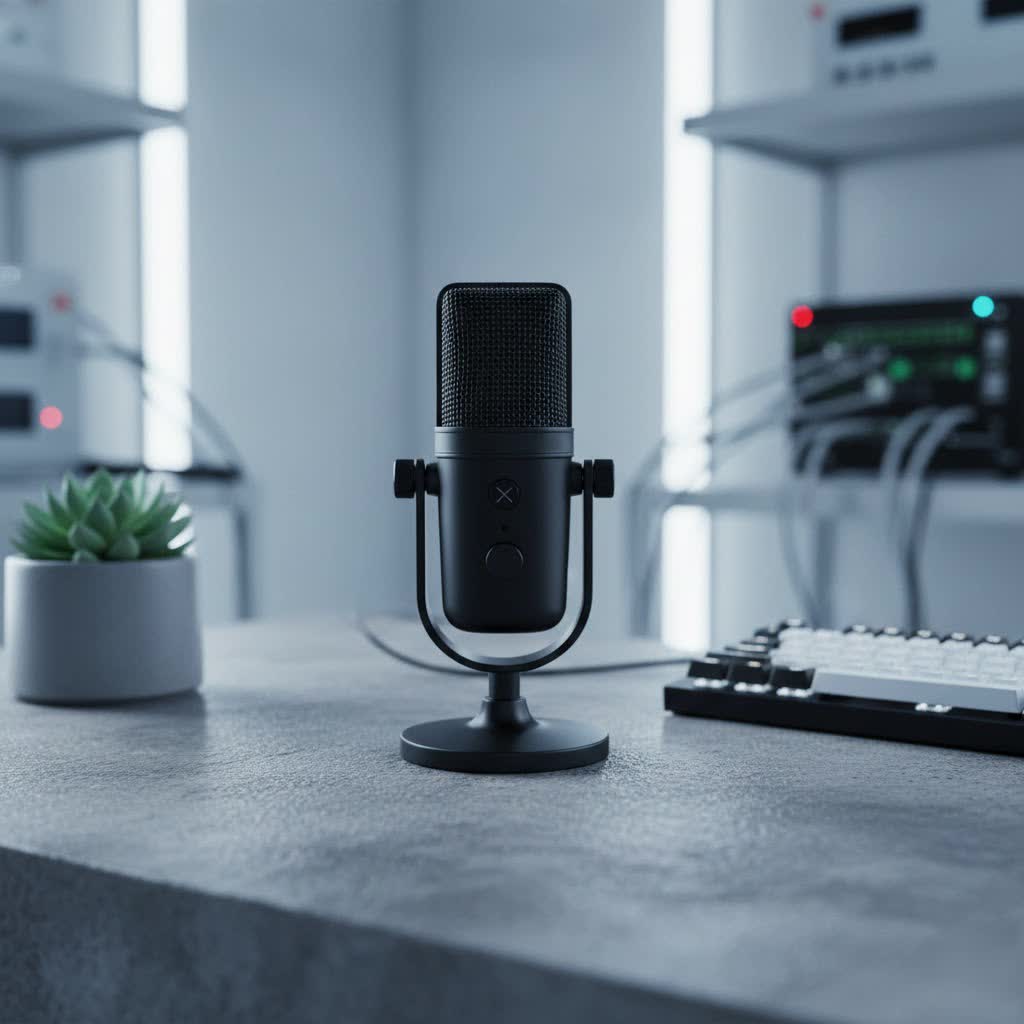
A USB microphone is a self-contained audio device that connects directly to your computer via a USB port, bypassing the need for an external audio interface or mixer. It integrates essential components like a microphone capsule, a preamp, and an analog-to-digital (A/D) converter, making it an all-in-one solution for capturing digital audio. This “plug-and-play” simplicity has contributed significantly to its widespread popularity among a diverse range of users.
The versatility of USB microphones makes them ideal for various applications. They are commonly used for podcasting, allowing creators to focus on content without complex setup. Streaming communities, particularly gamers, appreciate the easy setup and clear audio that USB mics provide, enhancing viewer experience. For voiceovers and home recording, these microphones deliver exceptional sound quality directly to digital audio workstation (DAW) software, eliminating the need for extensive audio engineering knowledge. Furthermore, in an era of remote work and online learning, USB microphones significantly improve audio clarity for virtual meetings and teleconferencing, ensuring every word is heard crisp and clear.
Classification of USB Microphones
Understanding the different types of USB microphones is crucial for making an informed decision. These devices can be categorized based on their internal design, how they capture sound, and integrated features.
Based on Transducer Type: Condenser vs. Dynamic
The core difference often lies in the microphone’s transducer type, which dictates how it converts sound waves into electrical signals.
- Condenser Microphones: The majority of USB microphones fall into this category. Condenser mics are known for their high sensitivity and ability to capture intricate details across a wide frequency range, producing a natural and lifelike sound. They utilize a thin, charged diaphragm close to a backplate, which creates voltage variations when sound waves hit it. This makes them excellent for recording vocals, acoustic instruments, and detailed sound sources. Examples include the Blue Yeti and Audio-Technica AT2020USB+.
- Dynamic Microphones: While less common in the USB format, dynamic microphones are also available. They operate using a coil suspended in a magnetic field that moves in response to sound waves. Dynamic mics are generally more robust and less sensitive to loud sounds, often producing a “larger-than-life” or broadcast-style sound on vocals. They excel in environments with background noise or for capturing loud sources like electric guitars. The Shure MV7 is a prominent example of a dynamic USB microphone.
|
Our Picks for the Best USB Microphone in 2026
As an Amazon Associate I earn from qualifying purchases.
|
||
| Num | Product | Action |
|---|---|---|
| 1 | Shure MV7+ Podcast Dynamic Microphone – OBS Certified, Enhanced Audio, LED Panel, USB-C & XLR Outputs, Auto Level Mode, Digital Pop Filter, Reverb Effects – For Podcasting, Streaming, Recording, Black |

|
| 2 | Dynamic Microphone, USB-C/XLR Podcast Recording PC Microphone for Podcast Recording Streaming Gaming with RGB Light, Mute Button, Desktop Stand, Headphones Jack, Vocal Mic for Singing Tiktok YouTube |
|
| 3 | ZealSound Podcast Usb Microphone For Pc/Mac/iPhone, Cardioid Condenser Mic with Noise Reduction, Tap-to-Mute, RGB Lighting, Zero Latency Monitoring, Volume Control for Gaming, Recording, YouTube |
|
| 4 | FIFINE USB Microphone, Metal Condenser Recording Microphone for MAC OS, Windows, Cardioid Laptop Mic for Recording Vocals, Voice Overs, Streaming, Meeting and YouTube Videos-K669B |
|
| 5 | P PUPGSIS XLR/USB Podcast Microphone, Gaming Mic with Mute Button, Reverb Effects, Noise Cancellation, Boom Arm Stand, Headphones Jack, Dynamic Microphone for Streaming/Recording/Gaming/Vocal-Black |
|
| 6 | Amazon Basics USB Condenser Microphone for Streaming, Recording, and Podcasting on PC, Plug and Play, Cardioid Pickup, Adjustable Stand with 360° Rotation, 5.8 x 3.4 inches, Black |
|
| 7 | DUNGZDUZ USB Microphone for Laptop and Desktop Computer, High Sensitivity for Clear Call, Plug-and-Play, High Gain, Cordless Mini-Sized Portable, Ideal for Work & Study |
|
| 8 | FIFINE USB/XLR Dynamic Microphone for Podcast Recording, PC Computer Gaming Streaming Mic with RGB Light, Mute Button, Headphones Jack, Desktop Stand, Vocal Mic for Singing YouTube-AmpliGame AM8 |
|
| 9 | Logitech Creators Blue Yeti USB Microphone for Gaming, Streaming, Podcast, YouTube, Discord, PC, Studio Sound, Plug & Play-Blackout |
|
| 10 | JOUNIVO USB Microphone, 360 Degree Adjustable Gooseneck Design, Mute Button & LED Indicator, Noise-Canceling Technology, Plug & Play, Compatible with Windows & MacOS |
|
Based on Pickup Pattern (Polar Pattern)
A microphone’s pickup pattern describes the direction(s) from which it captures sound most effectively, crucial for controlling ambient noise and focusing on the desired audio source.
- Cardioid: This is the most common pattern for USB microphones, characterized by a heart-shaped sensitivity that primarily picks up sound from the front of the microphone while significantly rejecting sounds from the sides and rear. It’s ideal for solo speakers, vocalists, or instruments where you want to isolate the main sound source and minimize room echo or background noise.
- Omnidirectional: An omnidirectional microphone captures sound equally from all directions (360 degrees). While this can be useful for recording group discussions, ambient room sounds, or an entire band, it also makes the microphone highly susceptible to picking up unwanted background noise.
- Bidirectional (Figure-8): This pattern is sensitive to sounds from the front and back of the microphone, while rejecting sounds from the sides. It’s perfect for face-to-face interviews, duets, or recording two distinct sound sources positioned opposite each other.
- Stereo: Some multi-pattern USB microphones offer a stereo mode, using two capsules to capture a wider soundstage, simulating how human ears perceive sound. This is great for immersive recordings, capturing instruments, or creating atmospheric sounds. The Blue Yeti and AKG LYRA are examples of mics with multiple patterns, including stereo.
Based on Features: Integrated vs. Non-Integrated Sound Card
Virtually all USB microphones inherently integrate a “sound card” in the form of an Analog-to-Digital Converter (ADC) and a preamp. This is what allows them to convert analog audio into digital data that your PC can understand, making the distinction largely moot for USB mics themselves. However, some advanced models might offer additional digital signal processing (DSP) features or more sophisticated internal components that function beyond basic conversion, effectively providing enhanced “sound card” capabilities. For instance, some include onboard compressors or EQs, giving users more control over their sound directly from the mic.
Important Factors When Choosing a USB Microphone
Selecting the right USB microphone involves considering several critical factors to ensure it meets your audio quality expectations, fits your setup, and offers the necessary functionality.
Sound Quality
The ultimate goal of any microphone is to deliver excellent sound, and several specifications contribute to this.
- Sensitivity: This refers to how well a microphone converts acoustic energy into an electrical signal. A higher sensitivity means the microphone can pick up quieter sounds more effectively, but it can also make it more prone to capturing unwanted background noise if not used in a controlled environment.
- Frequency Response: This indicates the range of frequencies (from bass to treble) a microphone can capture. A wide and flat frequency response (e.g., 20Hz – 20kHz) is generally desirable for natural-sounding audio, accurately reproducing the full spectrum of the human voice or instruments.
- Noise Level (Self-Noise): Measured in dB SPL (decibels Sound Pressure Level), self-noise is the inherent electronic hum or hiss produced by the microphone itself. A lower self-noise rating means a cleaner recording, especially important for quiet recordings like spoken word or delicate instruments.
- Bit Depth and Sample Rate: These define the digital audio quality. Most USB microphones offer 16-bit/44.1kHz (CD quality) or 24-bit/48kHz, with some high-end models reaching 24-bit/96kHz or even 32-bit/192kHz. Higher numbers generally mean more accurate and detailed audio capture, which can be beneficial for professional production. For most content creators, 24-bit/48kHz is an excellent standard.
Durability and Design
A microphone isn’t just about sound; its physical attributes also play a significant role in its usability and longevity.
- Materials: Look for microphones built with sturdy materials like metal for better durability and a more professional feel. This can withstand accidental bumps and provide better vibration isolation.
- Style (Form Factor): USB microphones come in various forms, including desktop models with integrated stands (e.g., Blue Yeti), more compact mini microphones, and those designed for boom arm mounting. Desktop models are convenient for podcasting or gaming, while stand-compatible mics offer greater flexibility in positioning.
- Portability: If you plan to record on the go, a compact and lightweight design is essential. Some USB mics are designed to be highly portable, making them perfect for interviews or field recordings.
Additional Features
Many USB microphones include extra features that enhance convenience and control during recording.
- Volume Control (Gain Control): An onboard gain knob allows you to adjust the microphone’s input sensitivity directly on the device, making it easier to achieve optimal recording levels without needing to interact with software settings.
- Headphone Jack (Zero-Latency Monitoring): A built-in headphone jack allows you to listen to your voice in real-time, directly from the microphone, without any delay (latency). This is invaluable for monitoring your audio, ensuring you sound clear, and preventing you from speaking too loudly or softly.
- Quick Mute Button: A physical mute button on the microphone is incredibly convenient for instantly silencing your audio during live streams, calls, or recording sessions, preventing accidental noises from being broadcast.
- XLR Output: Some advanced USB microphones, like the Shure MV7+, offer both USB and traditional XLR outputs. This hybrid connectivity provides greater flexibility, allowing you to use the microphone with an audio interface for more professional studio setups if your needs evolve.
Comparison of Popular USB Microphones on the Market
The market is rich with excellent USB microphones, each with its unique strengths. Here’s a comparison of some highly-rated models for PC users:
| Product Name | Type | Pickup Pattern | Frequency Response | Key Advantages | Key Disadvantages | Price Range (USD) |
|---|---|---|---|---|---|---|
| Shure MV7 | Dynamic | Cardioid, (Hybrid USB/XLR) | 50Hz – 16kHz | Excellent vocal isolation, professional sound, MOTIV app for DSP, durable metal build, XLR output for pro use. | Higher price point, may require software for full EQ control. | $200 – $250 |
| Blue Yeti | Condenser | Cardioid, Omni, Bidirectional, Stereo | 20Hz – 20kHz | Versatile multi-pattern, plug-and-play, integrated desktop stand, good for diverse uses from podcasts to music. | Can pick up room noise in omni/stereo, large footprint, requires pop filter for best vocal results. | $100 – $140 |
| Rode NT-USB Mini | Condenser | Cardioid | 20Hz – 20kHz | Compact, studio-quality sound, clean design, integrated pop filter, solid build. | Limited features, only cardioid pattern. | $100 – $120 |
| Audio-Technica AT2020USB+ | Condenser | Cardioid | 20Hz – 20kHz | Classic studio look, excellent sound for vocals and instruments, headphone jack with mix control. | Desktop stand is basic, no multi-pattern. | $80 – $150 |
| HyperX QuadCast | Condenser | Cardioid, Omni, Bidirectional, Stereo | 20Hz – 20kHz | Great for gaming/streaming, multiple patterns, built-in pop filter, tap-to-mute, customizable RGB lighting. | Plastic build, RGB might not appeal to all. | $130 – $170 |
| Sennheiser Profile | Condenser | Cardioid | 20Hz – 20kHz | Easy setup, clear audio, robust build, good value. | Single polar pattern, no advanced features. | $100 – $130 |
Guide to Choosing the Right USB Microphone
Selecting the ideal USB microphone involves a systematic approach, beginning with your personal needs and extending to careful product evaluation.
Determine Your Usage Needs
Your primary use case should be the guiding factor in your decision.
- Purpose of Use: Are you primarily recording vocals for music, hosting a podcast, streaming games, conducting online meetings, or doing voiceovers?
- For podcasting and voiceovers, a cardioid condenser mic like the AT2020USB+ or Shure MV7 is often excellent for clear, focused vocals.
- For gaming and streaming, features like a quick mute button, headphone monitoring, and robust build (e.g., HyperX QuadCast, Shure MV6) are highly valued.
- For interviews or group discussions, a multi-pattern mic with omnidirectional or bidirectional modes (e.g., Blue Yeti, AKG LYRA) can be very beneficial.
- Recording Environment: Consider where you’ll be using the microphone.
- In a treated studio or quiet room, a sensitive condenser mic will shine.
- In a noisy environment with background sounds, a dynamic microphone with a tight cardioid pattern (like the Shure MV7) can help minimize unwanted noise.
- Budget: USB microphones range from budget-friendly options to premium models. Determine how much you’re willing to invest, keeping in mind that higher price often correlates with better build quality, advanced features, and superior sound components. Mid-range models ($50-$100) often offer a great balance of performance and value.
Research and Compare Products
Once you’ve identified your needs, dive into research to find the microphones that best fit.
- Read Reviews and Comparisons: Consult reputable tech websites, audio review sites, and online retailers for detailed reviews and comparison articles. Look for insights into sound quality, ease of use, durability, and any reported issues.
- Watch Video Reviews: YouTube reviews can offer invaluable insights, including sound tests that allow you to hear how different microphones perform in various scenarios.
- Seek Recommendations: Talk to friends, colleagues, or online communities who have experience with USB microphones. Personal recommendations can often highlight practical pros and cons.
Purchase from Reputable Stores
Finally, ensure a smooth buying experience by choosing the right vendor.
- Warranty and Return Policies: Purchase from stores that offer clear warranty coverage and a reasonable return policy, in case the microphone doesn’t meet your expectations or has a defect.
- Inspect the Product: If buying in person, carefully inspect the microphone for any physical damage. If buying online, check user reviews regarding packaging and product condition upon arrival.
Famous USB Microphone Brands
The USB microphone market features several renowned brands that consistently deliver quality and innovation.
- Rode: An Australian company celebrated for its high-quality microphones, Rode offers compact and professional-sounding USB options like the NT-USB Mini, known for its studio-grade audio capture.
- Blue (now Logitech G): Blue Microphones, famous for the iconic Yeti series, popularized multi-pattern USB microphones. Their products are lauded for their versatility and user-friendly design, making them a staple for content creators.
- Audio-Technica: A Japanese audio giant, Audio-Technica brings its legacy of professional audio equipment to the USB market with models like the AT2020USB+, offering excellent sound quality for a reasonable price.
- HyperX: Primarily known for gaming peripherals, HyperX has made a significant impact with its gaming-focused USB microphones like the QuadCast, featuring gamer-centric designs and functionalities.
- Samson: Samson Technologies offers a range of audio products, including affordable and reliable USB microphones that cater to beginners and those on a tighter budget.
- Shure: A legendary name in professional audio, Shure has entered the USB microphone arena with hybrid models like the MV7, combining professional sound with user-friendly USB connectivity.
- Sennheiser: Known for its high-fidelity audio equipment, Sennheiser offers USB microphones such as the Profile, praised for its straightforward setup and clear sound quality.
“Choosing the right USB microphone isn’t just about technical specifications; it’s about finding a tool that seamlessly integrates into your workflow and truly amplifies your unique voice.” – Admin, reviewtawk.com, Audio Technology Expert
Conclusion
A USB microphone for your PC is an indispensable tool for anyone looking to enhance their audio quality in today’s digital landscape. By understanding the distinctions between condenser and dynamic types, recognizing the importance of polar patterns, and considering crucial factors like sound quality, durability, and additional features, you can confidently navigate the market. From dedicated gaming mics to versatile podcasting powerhouses, there’s a perfect USB microphone waiting to unlock your potential. With leading brands continually innovating, crystal-clear communication and professional-grade recordings are more accessible than ever. What audio projects will you embark on next with your new USB microphone?
Frequently Asked Questions
What is the primary advantage of a USB microphone over a traditional XLR microphone?
The main advantage of a USB microphone is its simplicity and plug-and-play convenience. It connects directly to your PC without requiring additional equipment like an audio interface or mixer, making it ideal for beginners and mobile setups. XLR microphones, while offering more flexibility and higher-end performance, require an interface.
Can I use a USB microphone for professional music recording?
While many USB microphones offer excellent quality for podcasts, streaming, and voiceovers, professional music recording often benefits from the greater flexibility, lower latency, and higher-quality preamps found in traditional XLR microphones paired with dedicated audio interfaces. However, some high-end USB mics can deliver impressive results for home studio music demos.
Do USB microphones require special drivers for my PC?
Most USB microphones are designed to be plug-and-play and will work with Windows and macOS without needing additional drivers. They typically use standard audio drivers already built into your operating system. However, some advanced models might offer optional software for additional control over features like EQ or gain.
Why does my USB microphone sound staticy or distorted?
Static or distortion can be caused by several factors, including a faulty USB cable, insufficient power from the USB port (try a different port), or outdated audio drivers. It could also be due to the microphone’s gain being set too high, causing clipping, or environmental interference.
What’s the best USB microphone for a beginner streamer or podcaster?
For beginners, a microphone that offers good sound quality, ease of use, and a cardioid pickup pattern is recommended. Popular choices like the Blue Yeti or Rode NT-USB Mini are excellent starting points due to their simple setup and reliable performance for focused vocal capture.
