In today’s digital age, clear and crisp audio is no longer a luxury but a necessity. Whether you’re a burgeoning podcaster, a dedicated streamer, a musician laying down tracks, or a professional conducting online meetings, a high-quality microphone can significantly impact your output. Specifically, a Usb Professional Condenser Microphone offers a perfect blend of studio-grade sound capture and user-friendly plug-and-play convenience, eliminating the need for complex audio interfaces. This comprehensive guide will explore everything you need to know about these versatile devices, helping you navigate the options and select the ideal microphone to capture your voice with professional clarity.
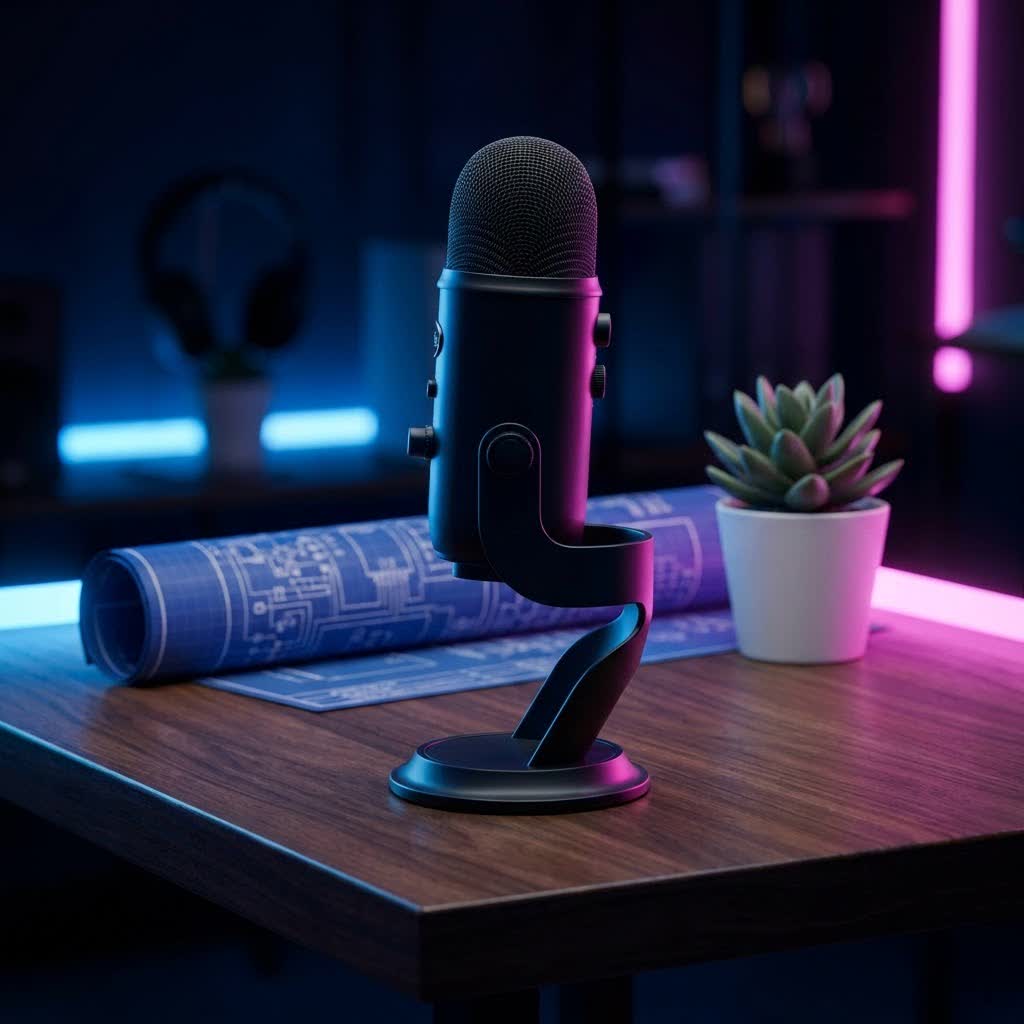
USB Microphones: Overview and Applications
A USB professional condenser microphone is a sophisticated audio device that combines a sensitive condenser capsule with a built-in analog-to-digital converter (ADC) and a USB output. Unlike traditional XLR microphones that require external preamps and audio interfaces, a USB mic plugs directly into your computer, laptop, or even some mobile devices, making it incredibly convenient and portable. This “plug-and-play” functionality streamlines your setup, allowing you to achieve high-fidelity recordings without a complex array of equipment.
The inherent sensitivity of condenser capsules enables them to capture a wide frequency range and intricate sonic details, making them ideal for a variety of applications. These include:
- Podcasting and Broadcasting: Delivering clear, engaging dialogue for listeners.
- Live Streaming and Gaming: Ensuring your voice stands out in online interactions.
- Vocal and Instrument Recording: Capturing nuanced performances for music demos and voiceovers.
- Online Meetings and Remote Work: Enhancing communication clarity in virtual environments.
- Content Creation: Providing professional audio for YouTube videos, tutorials, and more.
Types of USB Microphones
While the primary focus here is on USB condenser microphones, understanding their characteristics relative to other types, and their various configurations, is key.
Based on Capsule Type: Condenser vs. Dynamic (Brief Context)
- Condenser Microphones: These are renowned for their sensitivity and ability to capture fine details across a broad frequency spectrum. They are excellent for studio environments, vocals, acoustic instruments, and capturing subtle nuances. Their internal circuitry requires power, typically supplied via the USB connection.
- Dynamic Microphones: Generally more robust and less sensitive than condensers, dynamic mics are well-suited for loud sound sources (like amplified instruments or drums) and noisy environments, as they are less prone to picking up background noise. While there are USB dynamic mics, the keyword specifically emphasizes condenser mics for their detailed sound.
|
Our Picks for the Best USB Microphone in 2026
As an Amazon Associate I earn from qualifying purchases.
|
||
| Num | Product | Action |
|---|---|---|
| 1 | P PUPGSIS XLR/USB Podcast Microphone, Gaming Mic with Mute Button, Reverb Effects, Noise Cancellation, Boom Arm Stand, Headphones Jack, Dynamic Microphone for Streaming/Recording/Gaming/Vocal-Black |

|
| 2 | Dynamic Microphone, USB-C/XLR Podcast Recording PC Microphone for Podcast Recording Streaming Gaming with RGB Light, Mute Button, Desktop Stand, Headphones Jack, Vocal Mic for Singing Tiktok YouTube |
|
| 3 | Shure MV7+ Podcast Dynamic Microphone – OBS Certified, Enhanced Audio, LED Panel, USB-C & XLR Outputs, Auto Level Mode, Digital Pop Filter, Reverb Effects – For Podcasting, Streaming, Recording, Black |
|
| 4 | JOUNIVO USB Microphone, 360 Degree Adjustable Gooseneck Design, Mute Button & LED Indicator, Noise-Canceling Technology, Plug & Play, Compatible with Windows & MacOS |
|
| 5 | DUNGZDUZ USB Microphone for Laptop and Desktop Computer, High Sensitivity for Clear Call, Plug-and-Play, High Gain, Cordless Mini-Sized Portable, Ideal for Work & Study |
|
| 6 | Logitech Creators Blue Yeti USB Microphone for Gaming, Streaming, Podcast, YouTube, Discord, PC, Studio Sound, Plug & Play-Blackout |
|
| 7 | FIFINE USB Microphone, Metal Condenser Recording Microphone for MAC OS, Windows, Cardioid Laptop Mic for Recording Vocals, Voice Overs, Streaming, Meeting and YouTube Videos-K669B |
|
| 8 | Amazon Basics USB Condenser Microphone for Streaming, Recording, and Podcasting on PC, Plug and Play, Cardioid Pickup, Adjustable Stand with 360° Rotation, 5.8 x 3.4 inches, Black |
|
| 9 | ZealSound Podcast USB Microphone for PC/Mac/iPhone, Cardioid Condenser Mic with Noise Reduction, Tap-to-Mute, RGB Lighting, Zero Latency Monitoring, Volume Control for Gaming, Recording, YouTube |
|
| 10 | FIFINE USB/XLR Dynamic Microphone for Podcast Recording, PC Computer Gaming Streaming Mic with RGB Light, Mute Button, Headphones Jack, Desktop Stand, Vocal Mic for Singing YouTube-AmpliGame AM8 |
|
Based on Polar Patterns
A microphone’s polar pattern describes its directionality—how it picks up sound from different angles. Many professional USB condenser microphones offer multiple selectable patterns:
- Cardioid: This heart-shaped pattern is highly directional, primarily capturing sound from the front while significantly rejecting noise from the sides and rear. It’s perfect for solo vocalists, streamers, and podcasters who want to isolate their voice.
- Omnidirectional: Picking up sound equally from all directions, an omnidirectional pattern is ideal for capturing ambient room sound, group discussions, or recording multiple people around a single microphone.
- Bidirectional (Figure-8): This pattern captures sound from the front and back of the microphone while rejecting sound from the sides. It’s excellent for two-person interviews where participants sit opposite each other.
- Stereo: Utilizing two condenser capsules, a stereo pattern creates an immersive, realistic soundscape by capturing distinct left and right audio channels, best for recording music or ambient sounds.
Based on Integrated Features
Modern USB professional condenser microphones often include advanced features that enhance usability and recording quality:
- Integrated Sound Card: All USB microphones inherently function as an external sound card, converting analog audio to digital within the mic itself.
- Zero-Latency Headphone Output: A dedicated headphone jack on the microphone allows you to monitor your audio in real-time, without any distracting delay, ensuring you hear exactly what the mic is capturing.
- Onboard Controls: Many models feature physical controls for headphone volume, microphone gain (input sensitivity), and a quick-mute button, offering convenient adjustments directly on the device. Some also include a mix control to blend the microphone signal with computer playback.
Key Factors When Choosing a USB Professional Condenser Microphone
Selecting the right microphone requires considering several critical factors to match your specific needs and environment.
Quality Audio
The core of any microphone is its ability to capture sound accurately and clearly.
- Sensitivity: Condenser microphones are inherently sensitive, allowing them to pick up subtle nuances. Higher sensitivity means the mic can produce a stronger output signal from a given sound source.
- Frequency Response: This indicates the range of frequencies (from low bass to high treble, measured in Hertz and kilohertz) the microphone can capture. A flat and wide frequency response (e.g., 20Hz-20kHz) is generally preferred for natural-sounding recordings.
- Bit Depth and Sample Rate: These specifications define the digital audio quality. A minimum of 16-bit/44.1kHz (CD quality) is acceptable, but 24-bit/48kHz or 24-bit/96kHz offers a greater dynamic range and more detail, which is crucial for professional applications and post-production flexibility. Some high-end models even offer up to 24-bit/192kHz.
- Self-Noise: Measured in dBA, this refers to the inherent electronic noise generated by the microphone itself. Lower dBA values (e.g., under 15dBA) indicate a quieter microphone, vital for clean recordings, especially in quiet environments.
Durability and Design
The physical attributes of your microphone contribute to its longevity and ease of use.
- Materials: Professional microphones often feature robust metal construction for durability and better shielding against interference, as opposed to lighter plastic builds.
- Form Factor and Portability: USB condenser microphones come in various shapes and sizes. Desktop models are common, but some are more compact and designed for mobility. Consider if you need a mic that can be easily transported.
- Mounting Options: Check if the microphone comes with a reliable desktop stand or if it’s compatible with standard mic stands and boom arms for more flexible placement and isolation from desk vibrations.
Additional Features
Beyond basic audio capture, certain features can significantly enhance your user experience.
- Onboard Controls: Easy-to-access dials for gain, headphone volume, and a mute button provide immediate control during recording or streaming sessions.
- Zero-Latency Headphone Monitoring: This allows you to listen to your voice directly through the microphone’s output without any delay, which is essential for accurate performance and preventing accidental clipping.
- Software Compatibility: Ensure the microphone is compatible with your operating system (Windows, macOS) and your preferred recording or streaming software (DAWs, OBS, Streamlabs). Some mics also support mobile device connectivity.
- Integrated Pop Filter/Shock Mount: A built-in pop filter helps reduce plosive sounds (harsh “p” and “b” sounds), while a shock mount mitigates vibrations and handling noise, leading to cleaner audio.
Comparison of Popular USB Professional Condenser Microphones
Here’s a detailed comparison of some highly-rated USB professional condenser microphones, highlighting their key specifications and features to help you make an informed decision:
| Product Name | Type | Polar Pattern(s) | Frequency Response | Key Advantages | Key Disadvantages | Price Range (Approx.) |
|---|---|---|---|---|---|---|
| Blue Yeti | Condenser | Cardioid, Omnidirectional, Bidirectional, Stereo | 20Hz – 20kHz | Versatile multi-pattern; excellent sound for its price; plug-and-play simplicity; onboard controls. | Can be sensitive to background noise; bulky for some setups; older USB-B connection. | $100 – $140 |
| Audio-Technica AT2020USB-X | Condenser | Cardioid | 20Hz – 20kHz | Studio-quality sound; crisp vocal capture; durable build; headphone jack; high resolution (24-bit/96kHz). | Limited to cardioid pattern; lacks advanced onboard features like pattern switching. | $150 – $200 |
| Rode NT-USB+ | Condenser | Cardioid | 20Hz – 20kHz | Exceptional sound clarity; robust build; internal DSP for enhanced audio; zero-latency monitoring; modern USB-C. | No physical gain control on mic; only cardioid pattern. | $170 – $200 |
| Sennheiser Profile | Condenser | Cardioid | 20Hz – 20kHz | Excellent value; strong build quality; tactile controls (gain, mix, headphone volume, mute); easy setup. | High sensitivity might pick up room noise; only cardioid pattern. | $100 – $130 |
| HyperX QuadCast S | Condenser | Cardioid, Omnidirectional, Bidirectional, Stereo | 20Hz – 20kHz | Multi-pattern versatility; great for gaming/streaming; built-in pop filter; tap-to-mute sensor with LED indicator; customizable RGB lighting. | RGB might be distracting for some; sound quality geared more towards voice than music. | $150 – $200 |
Guide to Choosing a USB Professional Condenser Microphone
Making the right choice for your professional audio needs involves a systematic approach.
Identify Your Needs
Start by understanding your primary use case and constraints.
- Purpose: Are you primarily recording vocals, hosting a podcast, live streaming games, or engaging in professional video conferences? Your purpose will dictate necessary features like polar patterns and sound quality requirements.
- Environment: Will you be recording in a acoustically treated studio, a quiet home office, or a potentially noisy room? This affects how much you prioritize a mic’s noise rejection or sensitivity.
- Budget: USB professional condenser microphones range widely in price. Determine a realistic budget, understanding that higher-priced models often offer superior components and features.
Research and Compare Products
Once you’ve identified your needs, dive into detailed research.
- Read Reviews and Watch Videos: Consult reputable tech websites, audio blogs, and YouTube channels for expert reviews and sound comparisons. Real-world tests can reveal a mic’s performance in different scenarios.
- Compare Specifications: Cross-reference technical specs like frequency response, bit depth, sample rate, and polar patterns with your identified needs.
- Listen to Sound Samples: Many reviewers provide audio samples of microphones in action. This is invaluable for judging the actual sound quality and how it might suit your voice or instruments.
Purchase from Reputable Retailers
Finally, ensure a smooth purchasing experience and reliable post-sales support.
- Choose Stores with Clear Policies: Opt for retailers known for excellent customer service, clear warranty information, and hassle-free return policies.
- Inspect Before Purchase: If buying in person, check the product for any physical damage. If ordering online, inspect it thoroughly upon arrival.
Renowned USB Professional Condenser Microphone Brands
Several brands have established themselves as leaders in the USB microphone market, offering reliable and high-performance options. Familiarizing yourself with these names can guide your search:
- Blue (now Logitech Blue): Widely acclaimed for their iconic Blue Yeti, Blue offers versatile and user-friendly USB microphones popular among content creators.
- Rode: A premium Australian brand known for exceptional audio quality and robust builds, with models like the NT-USB+ highly regarded for professional voiceovers and music.
- Audio-Technica: A Japanese audio giant, Audio-Technica brings its legacy of studio microphones to the USB market with models like the AT2020USB-X, offering professional-grade sound.
- HyperX: A popular brand in the gaming and streaming community, HyperX offers feature-rich USB condenser microphones like the QuadCast S, designed with streamers in mind.
- Samson: Samson provides a range of affordable yet capable USB microphones, catering to beginners and experienced users alike with models like the G-Track Pro.
- Sennheiser: A German audio engineering powerhouse, Sennheiser has entered the USB microphone space with the Profile, offering high-quality condenser technology at competitive prices.
- AKG: With a strong professional audio background, AKG offers sophisticated USB condenser microphones like the Lyra, known for their multiple polar patterns and detailed sound.
Conclusion
A USB professional condenser microphone is a powerful tool for anyone serious about capturing high-quality audio with unparalleled convenience. By understanding the core technologies, discerning crucial specifications, and considering your unique requirements, you can confidently select a microphone that elevates your recordings, streams, and communications to a professional standard. With the right USB condenser mic, you’re not just buying a device; you’re investing in the clarity and impact of your voice.
Ready to find your perfect sound? What kind of audio project are you most excited to tackle with your new microphone?
Frequently Asked Questions
What makes a condenser microphone “professional”?
Professional condenser microphones are characterized by their superior sensitivity, wide frequency response, low self-noise, and ability to capture intricate sonic details with high accuracy. They often feature robust construction, high bit-depth and sample rates, and additional controls for precise audio management, making them suitable for demanding recording tasks.
Is a USB condenser microphone good enough for studio recording?
Yes, many high-quality USB condenser microphones offer studio-level audio capture suitable for home studio recording, podcasting, voiceovers, and even professional music demos. They provide crisp, clear sound without the need for an external audio interface, simplifying the setup while still delivering excellent fidelity.
Can I use a USB professional condenser microphone with my phone?
Most modern USB condenser microphones with a USB-C connection can be used with compatible smartphones and tablets (Android and newer iPhones/iPads) with the correct cable or adapter (like a USB OTG adapter or Lightning adapter). This offers a significant upgrade in audio quality for mobile recording.
