In today’s fast-paced digital world, clear and impactful audio is no longer a luxury—it’s a necessity. Whether you’re a budding podcaster, an avid streamer, a dedicated gamer, or a musician laying down tracks, the quality of your microphone can significantly elevate your content. While the market offers a myriad of options, the USB dynamic microphone stands out as a powerful, user-friendly solution, providing broadcast-quality sound without the complexity of traditional studio setups. If you’ve ever struggled with unwanted background noise or sought a microphone that can keep pace with your creative demands, a USB dynamic microphone might just be the optimal audio tool for you.
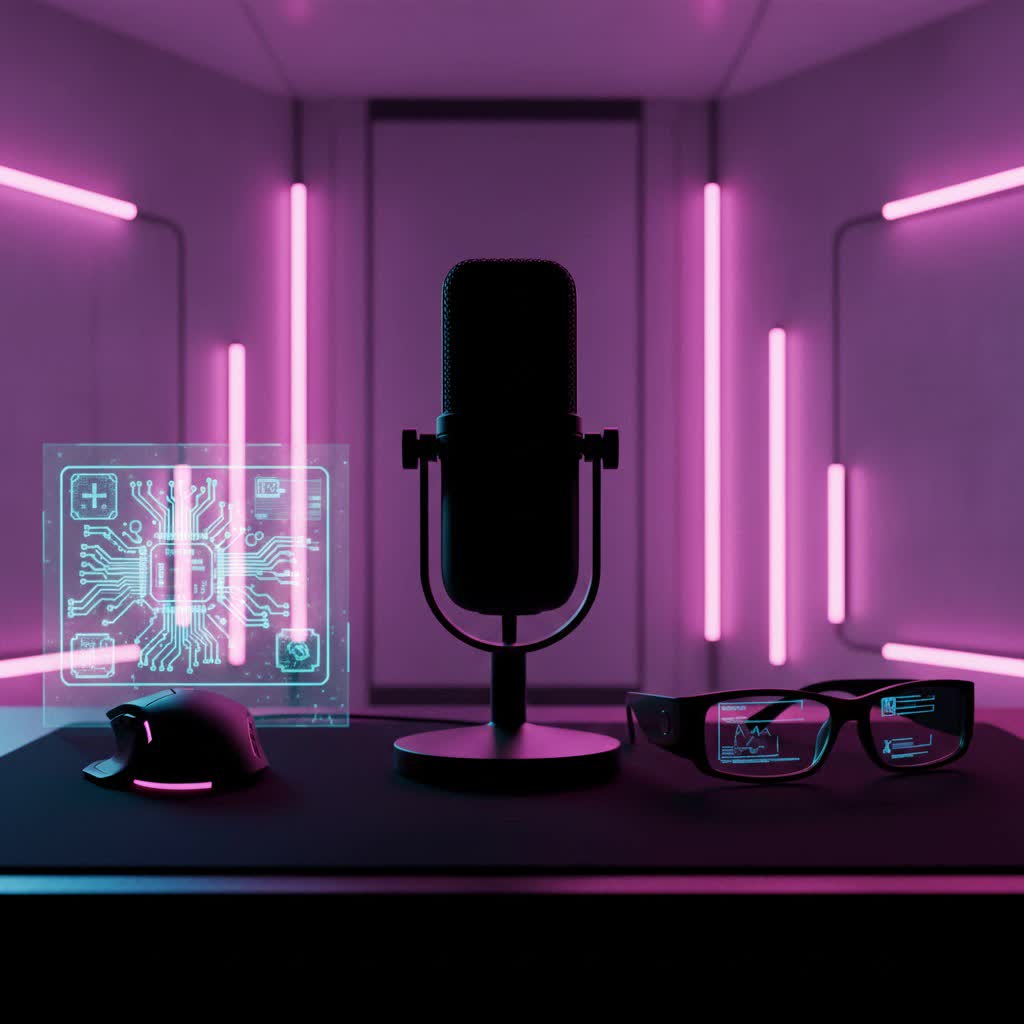
USB Dynamic Microphones: Overview and Applications
USB dynamic microphones have revolutionized home recording and content creation by combining the robust characteristics of dynamic microphones with the simplicity of USB connectivity. Unlike traditional microphones that require external audio interfaces and complex cabling, USB dynamic mics plug directly into your computer or mobile device, offering an immediate plug-and-play experience. This accessibility has made them incredibly popular among a diverse range of users.
Their primary advantage lies in their inherent ability to reject ambient noise, making them perfect for environments that aren’t acoustically treated, such as a home office, a gaming room, or even a bustling living space. This characteristic ensures that your voice or primary sound source remains clear and focused, free from distracting keyboard clicks, fan hums, or room echoes. As a result, USB dynamic microphones have become indispensable tools across various applications:
- Podcasting and Voiceovers: They deliver a rich, broadcast-like vocal tone, crucial for engaging listeners and maintaining a professional sound in interviews, narratives, and audio dramas.
- Live Streaming: For platforms like Twitch or YouTube, these microphones ensure that streamers’ commentary is crisp, allowing them to communicate effectively with their audience over game audio or other sounds.
- Gaming: Gamers benefit from superior voice clarity in team communications, cutting through in-game action and providing distinct audio for teammates.
- Online Meetings and Remote Work: In an era of widespread virtual communication, a USB dynamic microphone provides significantly better audio quality than built-in laptop mics, ensuring you’re heard clearly in conference calls and virtual presentations.
- Home Studio Recording: While not always the first choice for highly detailed musical recordings, many artists use them for demo vocals, instruments, or capturing performances where sound isolation is key.
Understanding USB Microphone Types
While all USB microphones offer direct digital connectivity, understanding the underlying microphone technology and specific features is crucial for making an informed choice.
Based on Microphone Technology: Dynamic vs. Condenser
The fundamental difference lies in how they capture sound:
- Dynamic Microphones: These operate via electromagnetic induction. Sound waves cause a diaphragm to vibrate, moving a coil within a magnetic field, which generates an electrical signal. This design makes dynamic microphones inherently less sensitive. They are excellent at isolating a primary sound source and rejecting off-axis noise, thriving in environments with background sounds. They are also rugged, capable of handling high sound pressure levels (SPLs), and typically do not require external power.
- Condenser Microphones: These work by detecting changes in electrical capacitance between two plates, one of which is a vibrating diaphragm. Condensers are much more sensitive, capable of capturing a wider frequency range and finer details. They generally require external “phantom power” to operate their active circuitry. While superb in quiet, acoustically treated studio environments for their pristine clarity, their high sensitivity makes them prone to picking up unwanted room noise in less controlled settings.
|
Our Picks for the Best USB Microphone in 2026
As an Amazon Associate I earn from qualifying purchases.
|
||
| Num | Product | Action |
|---|---|---|
| 1 | DUNGZDUZ USB Microphone for Laptop and Desktop Computer, High Sensitivity for Clear Call, Plug-and-Play, High Gain, Cordless Mini-Sized Portable, Ideal for Work & Study |

|
| 2 | ZealSound Podcast USB Microphone for PC/Mac/iPhone, Cardioid Condenser Mic with Noise Reduction, Tap-to-Mute, RGB Lighting, Zero Latency Monitoring, Volume Control for Gaming, Recording, YouTube |
|
| 3 | FIFINE USB Microphone, Metal Condenser Recording Microphone for MAC OS, Windows, Cardioid Laptop Mic for Recording Vocals, Voice Overs, Streaming, Meeting and YouTube Videos-K669B |
|
| 4 | Dynamic Microphone, USB-C/XLR Podcast Recording PC Microphone for Podcast Recording Streaming Gaming with RGB Light, Mute Button, Desktop Stand, Headphones Jack, Vocal Mic for Singing Tiktok YouTube |
|
| 5 | FIFINE USB/XLR Dynamic Microphone for Podcast Recording, PC Computer Gaming Streaming Mic with RGB Light, Mute Button, Headphones Jack, Desktop Stand, Vocal Mic for Singing YouTube-AmpliGame AM8 |
|
| 6 | Amazon Basics USB Condenser Microphone for Streaming, Recording, and Podcasting on PC, Plug and Play, Cardioid Pickup, Adjustable Stand with 360° Rotation, 5.8 x 3.4 inches, Black |
|
| 7 | Logitech Creators Blue Yeti USB Microphone for Gaming, Streaming, Podcast, YouTube, Discord, PC, Studio Sound, Plug & Play-Blackout |
|
| 8 | Shure MV7+ Podcast Dynamic Microphone – OBS Certified, Enhanced Audio, LED Panel, USB-C & XLR Outputs, Auto Level Mode, Digital Pop Filter, Reverb Effects – For Podcasting, Streaming, Recording, Black |
|
| 9 | P PUPGSIS XLR/USB Podcast Microphone, Gaming Mic with Mute Button, Reverb Effects, Noise Cancellation, Boom Arm Stand, Headphones Jack, Dynamic Microphone for Streaming/Recording/Gaming/Vocal-Black |
|
| 10 | JOUNIVO USB Microphone, 360 Degree Adjustable Gooseneck Design, Mute Button & LED Indicator, Noise-Canceling Technology, Plug & Play, Compatible with Windows & MacOS |
|
For USB microphones, the dynamic type is particularly favored when noise rejection and durability are priorities, offering a robust solution for everyday content creation.
Based on Polar Pattern
A microphone’s polar pattern describes its sensitivity to sounds coming from different directions. For USB dynamic microphones, the most common and relevant patterns include:
- Cardioid: This is the most prevalent pattern, capturing sound primarily from the front of the microphone while significantly reducing sound from the sides and rear. It’s ideal for single-person vocals, podcasts, or streaming, as it focuses on your voice and minimizes room ambiance.
- Hypercardioid: An even tighter and more directional version of cardioid, hypercardioid patterns offer greater rejection from the sides but pick up a small amount of sound directly from the rear. This can be advantageous in very noisy environments where maximum isolation is needed.
- Omnidirectional: While less common for dynamic microphones, omnidirectional mics pick up sound equally from all directions. If present in a USB dynamic mic, it would be used for capturing group conversations or ambient sounds, though this characteristic typically counteracts a dynamic mic’s noise-rejecting strength.
- Bidirectional (Figure-of-Eight): This pattern captures sound equally from the front and rear while rejecting sound from the sides. Also less common for dynamic USB microphones, it’s primarily used for face-to-face interviews with a single mic.
For most USB dynamic microphone users, a cardioid or hypercardioid pattern will be the most beneficial due to their focus on isolating the main sound source.
Based on Features
Beyond the core microphone type and polar pattern, USB dynamic microphones come with a variety of integrated features that enhance usability and performance:
- Integrated Sound Card: All USB microphones inherently contain an analog-to-digital converter (ADC), which functions as a built-in sound card. This converter transforms the analog audio signal into a digital one that your computer can process directly via the USB connection, eliminating the need for a separate audio interface.
- Headphone Jack for Zero-Latency Monitoring: A crucial feature for real-time feedback, allowing you to hear your voice as the microphone captures it, without any distracting delay. This helps in adjusting your speaking level and ensuring optimal sound quality.
- Onboard Controls: Many models include physical controls for microphone gain (input sensitivity), headphone volume, and a quick mute button. These tactile controls provide immediate adjustments without needing to navigate software menus.
- Digital Signal Processing (DSP): Advanced USB dynamic microphones often integrate DSP capabilities, accessible via companion software. These can include features like auto-leveling (which adjusts gain based on your proximity), denoisers (to reduce background hum), equalizers (EQ) for tone shaping, and compressors for dynamic control, delivering a more polished sound directly from the mic.
- Dual USB/XLR Connectivity: Several premium USB dynamic microphones offer both a USB output for direct digital connection and an XLR output for connecting to professional audio interfaces or mixers. This hybrid functionality provides flexibility for users who may want to upgrade their setup in the future without replacing their microphone.
- Robust Build and Design: Often featuring all-metal construction, these microphones are built to withstand regular use and occasional knocks, an advantage of the dynamic microphone design.
Key Factors When Choosing a USB Dynamic Microphone
Selecting the right USB dynamic microphone involves weighing several factors to match your specific needs and environment.
Sound Quality
The ultimate goal is clear, articulate audio that enhances your content. When evaluating sound quality:
- Sensitivity: For dynamic microphones, a lower sensitivity is often desirable as it means the microphone is less prone to picking up distant room noise. You’ll typically need to speak closer to the mic, which naturally isolates your voice.
- Frequency Response: This indicates the range of audio frequencies the microphone can capture. While dynamic mics might have a slightly narrower range than condensers, most are well-suited for the human voice (e.g., 40 Hz to 16 kHz), often with a slight “presence boost” in the mid-high frequencies for added clarity and broadcast-like sound.
- Noise Rejection: This is a hallmark of dynamic microphones. Look for models explicitly designed to minimize ambient noise, especially those with cardioid or hypercardioid polar patterns, which are highly effective at rejecting sounds from the sides and rear.
- Analog-to-Digital Converter (ADC) Quality: Since the USB mic has a built-in ADC, its quality affects the digital audio output. Many modern USB dynamic mics offer high-resolution recording (e.g., 24-bit/48kHz or 24-bit/96kHz), providing detailed and clean digital audio.
Durability and Design
A microphone is an investment, and its physical attributes contribute to its longevity and usability.
- Materials: Look for microphones with robust construction, often featuring metal chassis and grilles. This enhances durability and can provide a more premium feel.
- Form Factor and Mounting: USB dynamic microphones come in various styles:
- Handheld: Often versatile for interviews or presentations.
- Desktop: Designed to sit on a desk stand, convenient for static setups.
- Broadcast Style: Resembling traditional radio mics, often mounted on boom arms for optimal positioning and professional aesthetics. Consider if the microphone includes a sturdy desk stand or if you’ll need a separate boom arm.
- Portability: If you plan to record on the go, a compact and lightweight design is beneficial. Some models even come with protective carrying cases.
Additional Features
Beyond the core functionality, certain features can significantly improve your user experience:
- Volume Control: Onboard dials for headphone volume and microphone gain are incredibly convenient for making real-time adjustments without interrupting your workflow.
- Headphone Jack: A dedicated 3.5mm headphone output allows for direct, zero-latency monitoring, ensuring you hear exactly what the microphone is capturing.
- Quick Mute Button: An easily accessible mute button (often capacitive touch or a soft-touch button) is invaluable for quickly silencing your mic during live sessions or calls, preventing unwanted sounds from being broadcast.
- Software Ecosystem: Some brands offer powerful companion software (e.g., Shure MOTIV, Rode Connect, Maono Link) that unlock advanced DSP features, custom presets, EQ, and effects, allowing you to fine-tune your sound.
- RGB Lighting: While purely aesthetic, customizable RGB lighting is a popular feature for gamers and streamers who want to integrate their microphone into their illuminated setup.
Comparison of Popular USB Dynamic Microphones on the Market
The market offers an array of excellent USB dynamic microphones, each with its unique strengths. Here’s a comparison of some highly-regarded models:
| Product Name | Type | Polar Pattern | Frequency Response | Pros | Cons | Price (Approx.) |
|---|---|---|---|---|---|---|
| Shure MV7/MV7+ | Dynamic | Cardioid | 50 Hz – 16 kHz | Dual USB/XLR, excellent voice isolation, powerful DSP (Auto Level, Denoiser) via app, durable build, touch panel controls, professional sound. | App can be prescriptive, no built-in shock mount. | $250 – $280 |
| Rode PodMic USB | Dynamic | Cardioid | 20 Hz – 20 kHz | Dual USB-C/XLR, built-in pop filter/shockmount, Aphex DSP saved to mic, robust build, great for speech, flat frequency response. | Swing-mount can be a bit tricky to set up, mid-range heavy. | $100 – $200 |
| Samson Q2U | Dynamic | Cardioid | 50 Hz – 15 kHz | Dual USB/XLR, highly affordable, great value for money, handheld design, good noise rejection, plug-and-play. | Sound quality not as refined as premium models, plastic feel. | $70 – $80 |
| Audio-Technica AT2040USB | Dynamic | Hypercardioid | 80 Hz – 16 kHz | USB-C only, exceptional off-axis rejection, low-cut filter, broadcast aesthetic, warm natural sound, excellent build quality. | Mute button could be more tactile, USB-C only (no XLR). | $130 – $150 |
| Audio-Technica ATR2100x-USB | Dynamic | Cardioid | 50 Hz – 15 kHz | Dual USB/XLR, very portable, good sound for the price, 24-bit/192kHz sampling, handheld. | Basic features, less refined sound than higher-end models. | $80 – $100 |
| Maono PD200X | Dynamic | Cardioid | 40 Hz – 16 kHz | Dual XLR/USB, intuitive controls, Maono Link software (EQ, limiter, compressor), RGB lighting, smart knob. | Less established brand recognition. | $70 – $100 |
Guide to Choosing the Right USB Dynamic Microphone
Making the final decision requires a careful assessment of your personal needs and priorities.
Determine Your Usage Needs
Start by clearly defining what you’ll use the microphone for:
- Purpose: Are you primarily recording vocals for a podcast, streaming games with friends, conducting online interviews, or doing voiceovers? Different uses might prioritize specific features like extreme noise rejection, portability, or aesthetic appeal.
- Environment: Is your recording space acoustically treated and quiet, or is it an untreated room prone to background noise and echo? If it’s the latter, a dynamic mic with strong off-axis rejection (cardioid or hypercardioid) is paramount.
- Budget: USB dynamic microphones range widely in price. Establish a realistic budget and prioritize the features that are most critical to you. Remember, a well-chosen budget dynamic mic can outperform a poorly-suited expensive condenser in a noisy room.
Research and Compare Products
Once you have a clear idea of your needs, dive into research:
- Read Reviews: Consult reputable tech and audio websites for in-depth reviews and comparisons. Pay attention to how reviewers describe the sound quality in various scenarios, especially regarding background noise handling.
- Watch Video Reviews: YouTube reviews often provide sound samples, allowing you to hear the microphone’s performance directly. This is invaluable for assessing vocal tone and noise rejection.
- Seek Peer Advice: Talk to other content creators, streamers, or musicians. Their real-world experiences can offer practical insights that specifications alone might not reveal.
Purchase from Reputable Stores
When you’re ready to buy, ensure a smooth purchasing experience:
- Choose Reputable Retailers: Purchase from established electronics or audio equipment stores, either online or in person. This ensures product authenticity and reliable customer service.
- Check Warranty and Return Policies: Understand the warranty coverage and the store’s return policy in case the microphone doesn’t meet your expectations or has a defect.
- Inspect the Product: If buying in person, visually inspect the microphone for any physical damage. If buying online, check it thoroughly upon arrival.
Renowned USB Microphone Brands
Several brands have established themselves as leaders in the USB microphone space, offering reliable and high-quality dynamic options:
- Shure: A legendary name in professional audio, Shure offers iconic dynamic microphones. Their MV7 and MV7+ USB dynamic microphones are highly acclaimed for their broadcast-quality sound, robust build, and intelligent DSP features, drawing inspiration from their studio classic, the SM7B.
- Rode: An Australian company known for its high-quality microphones, Rode has entered the USB dynamic market with strong contenders like the PodMic USB. They are celebrated for their excellent sound, robust construction, and integration with powerful companion apps.
- Audio-Technica: With a long history in audio electronics, Audio-Technica provides excellent USB dynamic microphones such as the AT2040USB and ATR2100x-USB, known for their solid performance, clear sound, and good value.
- Samson: Samson offers accessible and high-performing USB dynamic microphones, with the Q2U being a perennial favorite for its dual USB/XLR connectivity and impressive sound quality at an entry-level price point.
- Maono: A rapidly growing brand, Maono has made a name for itself by offering feature-rich USB dynamic microphones like the PD200X and PD400X, often including advanced software control and appealing aesthetics for streamers and gamers.
> “The beauty of dynamic USB microphones is their ability to deliver professional results without demanding a complex setup or a perfectly soundproofed room. They democratize high-quality audio for everyone.”
Conclusion
The USB dynamic microphone stands as a testament to innovation in personal audio, bridging the gap between professional sound and everyday convenience. Its inherent ability to minimize background noise, coupled with direct USB connectivity, makes it an indispensable tool for podcasters, streamers, gamers, and anyone seeking to elevate their voice recordings in less-than-ideal environments. By understanding the nuances of sound quality, durability, and additional features, and by exploring reputable brands and their offerings, you can confidently choose a USB dynamic microphone that empowers your creative endeavors. Embrace the clarity and focus that these microphones offer, and transform your audio from good to truly captivating. What unique project will you embark on with your new USB dynamic microphone?
Frequently Asked Questions
What makes a USB dynamic microphone ideal for streaming and podcasting?
USB dynamic microphones are ideal for streaming and podcasting because their lower sensitivity effectively rejects ambient room noise like keyboard clicks, fans, or echoes. This allows your voice to cut through clearly, providing a clean, professional sound even in untreated home environments, a crucial factor for engaging an audience.
Do USB dynamic microphones require phantom power?
No, USB dynamic microphones do not require phantom power. Phantom power is typically a 48V electrical current supplied through an XLR cable to power the active circuitry of condenser microphones. Dynamic microphones are passive by design and draw power, if needed, directly from the USB connection for their internal analog-to-digital converter.
Can I use a USB dynamic microphone for singing or instruments?
Yes, you can use a USB dynamic microphone for singing or recording instruments, especially in a home studio setting where sound isolation is important. While condenser microphones might capture more subtle details, dynamic mics excel at handling higher sound pressure levels and rejecting bleed from other instruments, making them suitable for robust vocals or amplified instruments.
What’s the difference between a cardioid and a hypercardioid polar pattern in USB dynamic microphones?
A cardioid polar pattern captures sound mainly from the front, rejecting most sound from the sides and rear, making it great for single voices. A hypercardioid pattern is even more directional, offering tighter side rejection but picking up a small amount of sound directly from the very back. Hypercardioid is often chosen for extremely noisy environments where maximum isolation is paramount.
How do I reduce latency when using a USB dynamic microphone?
Most USB dynamic microphones feature a built-in 3.5mm headphone jack for zero-latency monitoring. This allows you to hear your voice directly from the microphone’s analog output before it’s converted to digital, effectively eliminating perceived delay. For software-based latency, ensure your computer’s audio drivers are up-to-date and adjust buffer sizes in your recording software.
