In today’s digital landscape, clear and professional audio is no longer a luxury but a necessity. Whether you’re a budding podcaster, an avid gamer, a remote professional, or an aspiring musician, a high-quality USB desktop microphone can transform your sound, making your voice heard with exceptional clarity. With an overwhelming array of options available, finding the perfect microphone to suit your specific needs can feel daunting. This comprehensive guide will demystify the world of USB desktop microphones, providing you with the knowledge to make an informed decision and unlock your audio potential.
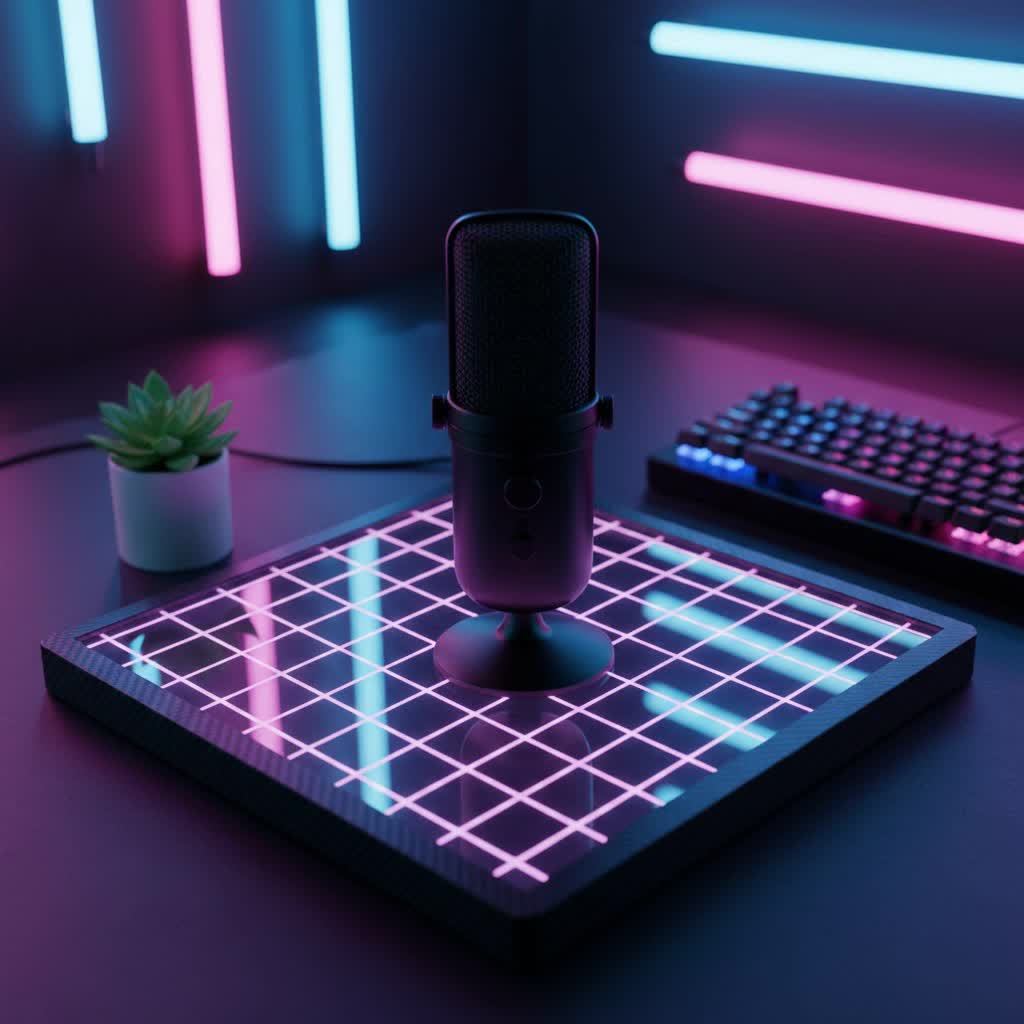
USB Desktop Microphone: Overview and Applications
A USB desktop microphone is an all-in-one audio solution designed for simplicity and convenience. Unlike traditional microphones that require external audio interfaces or mixers, USB microphones incorporate an onboard preamp and an analog-to-digital (A/D) converter. This means they can plug directly into your computer, laptop, or even some mobile devices via a single USB cable, converting sound waves into digital signals internally without needing additional hardware.
The rise of remote work, e-learning, and digital content creation has fueled the immense popularity of USB microphones. They offer an immediate upgrade over built-in laptop mics or basic headsets, providing cleaner, richer audio for a wide range of applications:
- Podcasting: Capture clear vocals for interviews, storytelling, and discussions.
- Live Streaming & Gaming: Enhance communication with teammates and audience engagement with professional-grade sound.
- Voiceovers: Produce crisp, studio-quality narration for videos, presentations, and audiobooks.
- Teleconferencing & Online Meetings: Ensure clear communication in virtual environments like Zoom, Microsoft Teams, or Google Meet.
- Music Recording: Lay down scratch tracks, demos, or acoustic instrument recordings with ease.
- Interviews: Conduct remote or in-person interviews with superior audio fidelity without complex setups.
Classification of USB Microphones
USB desktop microphones come in various forms, each designed to excel in different scenarios. Understanding their classifications can help you pinpoint the best fit for your unique requirements.
Based on Transducer Type
The transducer type refers to how the microphone converts sound waves into electrical signals.
- Condenser Microphones: These are the most common type for USB desktop microphones. Condensers are highly sensitive, capable of capturing intricate details and a wide frequency range, making them ideal for vocals, acoustic instruments, and quiet recording environments. However, their sensitivity means they are more prone to picking up background noise if your room is not acoustically treated. They require power, which is typically supplied directly through the USB connection.
- Dynamic Microphones: Less common in the USB desktop format but increasingly available, dynamic microphones are known for their durability and lower sensitivity. They are excellent at handling loud sound sources and are more effective at rejecting ambient noise, making them suitable for untreated rooms, live performances, or environments where isolating the primary sound source is crucial.
|
Our Picks for the Best USB Microphone in 2026
As an Amazon Associate I earn from qualifying purchases.
|
||
| Num | Product | Action |
|---|---|---|
| 1 | DUNGZDUZ USB Microphone for Laptop and Desktop Computer, High Sensitivity for Clear Call, Plug-and-Play, High Gain, Cordless Mini-Sized Portable, Ideal for Work & Study |

|
| 2 | Amazon Basics USB Condenser Microphone for Streaming, Recording, and Podcasting on PC, Plug and Play, Cardioid Pickup, Adjustable Stand with 360° Rotation, 5.8 x 3.4 inches, Black |
|
| 3 | FIFINE USB/XLR Dynamic Microphone for Podcast Recording, PC Computer Gaming Streaming Mic with RGB Light, Mute Button, Headphones Jack, Desktop Stand, Vocal Mic for Singing YouTube-AmpliGame AM8 |
|
| 4 | Logitech Creators Blue Yeti USB Microphone for Gaming, Streaming, Podcast, YouTube, Discord, PC, Studio Sound, Plug & Play-Blackout |
|
| 5 | Shure MV7+ Podcast Dynamic Microphone – OBS Certified, Enhanced Audio, LED Panel, USB-C & XLR Outputs, Auto Level Mode, Digital Pop Filter, Reverb Effects – For Podcasting, Streaming, Recording, Black |
|
| 6 | JOUNIVO USB Microphone, 360 Degree Adjustable Gooseneck Design, Mute Button & LED Indicator, Noise-Canceling Technology, Plug & Play, Compatible with Windows & MacOS |
|
| 7 | ZealSound Podcast USB Microphone for PC/Mac/iPhone, Cardioid Condenser Mic with Noise Reduction, Tap-to-Mute, RGB Lighting, Zero Latency Monitoring, Volume Control for Gaming, Recording, YouTube |
|
| 8 | Dynamic Microphone, USB-C/XLR Podcast Recording PC Microphone for Podcast Recording Streaming Gaming with RGB Light, Mute Button, Desktop Stand, Headphones Jack, Vocal Mic for Singing Tiktok YouTube |
|
| 9 | P PUPGSIS XLR/USB Podcast Microphone, Gaming Mic with Mute Button, Reverb Effects, Noise Cancellation, Boom Arm Stand, Headphones Jack, Dynamic Microphone for Streaming/Recording/Gaming/Vocal-Black |
|
| 10 | FIFINE USB Microphone, Metal Condenser Recording Microphone for MAC OS, Windows, Cardioid Laptop Mic for Recording Vocals, Voice Overs, Streaming, Meeting and YouTube Videos-K669B |
|
Based on Polar Pattern (Pickup Pattern)
A microphone’s polar pattern describes its “field of view” for sound, indicating the directions from which it picks up audio most effectively.
- Cardioid: This heart-shaped pattern is most sensitive to sound coming from directly in front of the microphone and significantly rejects sound from the rear. It’s the optimal choice for single speakers, vocal recordings, and streaming, as it helps minimize unwanted background noise from the sides and back.
- Omnidirectional: An omnidirectional microphone captures sound equally from all directions (360 degrees). This pattern is best when you want to record multiple voices around a table, capture ambient room sound, or record instruments where room acoustics are part of the desired sound. However, it will pick up more background noise.
- Bidirectional (Figure-8): This pattern picks up sound equally from the front and back while rejecting sound from the sides. It’s excellent for two-person interviews conducted face-to-face across a table.
- Stereo: Some multi-pattern USB microphones offer a stereo mode, capturing a wider, more immersive soundstage. This is often achieved using two capsules to create a left and right audio channel.
- Many advanced USB desktop microphones feature switchable polar patterns, offering versatile recording options within a single device.
Based on Design and Features
While the core functionality remains consistent, USB microphones also differ in their physical design and integrated features. Most USB desktop microphones include the “sound card” (onboard preamp and A/D converter) as part of their plug-and-play nature.
- Desktop Stand Models: These are the most popular for home users, often coming with integrated, adjustable stands, making them ready to use right out of the box. They are designed for stationary use on a desk.
- Stand-Mountable Models: Many USB microphones can be detached from their included desktop stands and mounted on traditional mic stands or boom arms for optimal positioning, especially useful for streamers and podcasters to reduce desk vibrations.
Important Factors When Choosing a USB Desktop Microphone
Selecting the best USB desktop microphone involves balancing several key factors to ensure it meets your specific audio needs and fits seamlessly into your setup.
Audio Quality
The primary goal of any microphone is to capture high-fidelity audio. Several specifications contribute to overall sound quality.
- Sensitivity: Condenser microphones generally have higher sensitivity, picking up more subtle nuances in sound. Dynamic mics, while less sensitive, are better for louder sources and rejecting ambient noise. Choose based on your recording environment and desired detail.
- Frequency Response: This indicates the range of sound frequencies the microphone can reproduce. A range of 20Hz to 20kHz covers the full spectrum of human hearing. For voice-centric applications, ensure the microphone has a strong and clear midrange presence (typically 80Hz-12kHz) to capture speech intelligibility effectively.
- Resolution (Sample Rate & Bit Depth): These metrics define the digital audio quality. A minimum of 16-bit/48kHz resolution offers CD-quality audio and is sufficient for most uses like online meetings and basic podcasts. For professional-grade recordings, streaming, or music production, aim for 24-bit/96kHz or higher for superior dynamic range and detail.
- Noise Reduction/DSP: Many modern USB microphones include built-in digital signal processing (DSP) features like noise reduction, pop filtering, and auto-leveling. These can significantly enhance audio clarity, especially in untreated recording spaces, by minimizing unwanted background sounds and ensuring consistent volume.
Durability and Design
A microphone’s physical attributes impact its longevity and usability in your workspace.
- Material: Microphones with metal housings and sturdy construction tend to be more durable and can withstand accidental bumps or drops, a common consideration for desktop use.
- Form Factor and Stability: Consider whether the microphone comes with a robust desktop stand or if you’ll need a separate boom arm. A stable base is crucial to prevent tipping and minimize vibrations transmitted through your desk. Some designs are more compact for portability, while others are larger and more robust for a permanent setup.
- Portability: If you plan to use your microphone in multiple locations, such as moving between home and office, a more compact and easily transportable design will be beneficial.
Additional Features
Beyond basic audio capture, many USB microphones offer features that enhance usability and control.
- Headphone Monitoring: A 3.5mm headphone jack with zero-latency monitoring is an invaluable feature. It allows you to hear your voice in real-time as you speak, eliminating distracting audio lag (latency) that can occur when monitoring through your computer’s software. This is crucial for maintaining natural speech flow and adjusting your delivery.
- Volume/Gain Control: On-mic physical controls for headphone volume and microphone gain allow for quick adjustments to input levels without needing to access software settings. This provides immediate control over your audio.
- Mute Button: A tactile mute button is essential for live applications like calls and streams, enabling instant silencing of your microphone to prevent unwanted sounds from being broadcast.
- Software/Apps: Some premium USB microphones integrate with proprietary software or mobile apps (e.g., Shure MOTIV, Rode Connect). These apps often unlock advanced DSP features, customizable sound profiles, EQ settings, and firmware updates, giving you greater control over your audio output.
- Connectivity: While all these microphones connect via USB, verify the specific USB type (USB-A, USB-C). Many newer models feature USB-C for faster data transfer and reversible connection. Some advanced models also offer hybrid USB/XLR connectivity, providing flexibility to integrate with professional audio interfaces if your setup evolves.
Comparing Popular USB Microphones on the Market
The market for USB desktop microphones is rich with options, catering to different budgets and use cases. Here’s a comparison of some popular models, highlighting their key features and considerations.
| Product Name | Type | Polar Pattern(s) | Frequency Response | Pros | Cons | Price Range (USD) |
|---|---|---|---|---|---|---|
| Shure MV7+ | Dynamic | Cardioid | 50 Hz – 16 kHz | Hybrid USB/XLR, excellent sound for vocals, robust build, DSP via app, auto-level mode | DSP can be prescriptive, no internal shock mount | $249-$275 |
| Rode PodMic USB | Dynamic | Cardioid | 20 Hz – 20 kHz | Great for podcasting, built-in pop filter & shockmount, onboard Aphex DSP, durable metal construction | Preferential to mid-range, swing-mount can be fiddly, app installation required | $178-$199 |
| Sennheiser Profile | Condenser | Cardioid | N/A | Excellent value, clear audio, tactile on-board controls, simple plug-and-play | High sensitivity can pick up background noise, limited features compared to higher-end mics | $120-$150 |
| Blue Yeti USB Mic | Condenser | Cardioid, Omni, Bi-directional, Stereo | 15 Hz – 22 kHz | Versatile multi-pattern, popular for streaming/podcasting, headphone jack, volume/gain controls | Can pick up background noise, less portable, older USB connectivity in some models | $85-$130 |
| Audio-Technica AT2020USB+ | Condenser | Cardioid | 20 Hz – 20 kHz | Studio-quality sound, durable build, ideal for home studios, good for vocals and instruments | Only cardioid pattern, desktop stand is mini | $79-$169 |
| HyperX QuadCast 2 S | Condenser | Cardioid, Omni, Bi-directional, Stereo | 20 Hz – 20 kHz | Four polar patterns, high-resolution (32-bit/192kHz), tap-to-mute, customizable RGB lighting, shock mount | RGB isn’t for everyone, app software required for full control | $140-$170 |
| Apogee HypeMiC | Condenser | Cardioid | 20 Hz – 20 kHz | Excellent sound quality for singing, built-in analog compressor, portable, iOS compatible | Uses micro-USB (older standard), expensive | $349-$399 |
| Samson Q2U | Dynamic | Cardioid | 50 Hz – 15 kHz | Hybrid USB/XLR, excellent value, good for beginners, comes with accessories (headphones, stand) | Sound quality is good for the price but not top-tier | $59-$80 |
Note: Prices are approximate and can vary based on retailer and promotions.
Guide to Choosing the Right USB Desktop Microphone
Navigating the multitude of options can be simplified by following a structured approach to your selection process.
Determine Your Usage Needs
Before diving into specifications, clearly define how you intend to use the microphone.
- Purpose: Are you primarily recording vocals for a podcast, engaging in fast-paced gaming communication, leading professional video conferences, or singing/playing instruments? Each purpose might benefit from different microphone types and features. For instance, a cardioid condenser is excellent for voiceovers in a quiet space, while a dynamic mic might be better for streaming in a noisy room.
- Environment: Is your recording space acoustically treated and quiet, or do you have significant background noise (e.g., keyboard clicks, traffic, room echo)? If noise is an issue, a cardioid or hyper-cardioid dynamic microphone with good noise rejection will be more suitable than a highly sensitive omnidirectional condenser.
- Budget: USB microphones are available across a wide price spectrum. Define your budget range:
- Budget-friendly ($20-$50): Suitable for casual use, basic calls, or as a starting point. May have fewer advanced features.
- Mid-range ($50-$150): Offers a strong balance of performance, features, and build quality for most content creators and professionals.
- Premium ($150+): Delivers broadcast-level audio, robust construction, and advanced features for serious creators and professionals.
Research and Compare Products
Once your needs are clear, begin researching specific models.
- Read Reviews and Comparisons: Consult reputable tech websites, audio expert blogs, and user reviews to get real-world insights into a microphone’s performance, durability, and ease of use.
- Watch Video Reviews: YouTube reviews can offer invaluable sound tests and visual demonstrations of microphones in action, helping you gauge audio quality and physical design.
- Compare Specifications: Pay close attention to the transducer type, polar patterns, frequency response, and resolution (bit depth/sample rate) to ensure they align with your requirements.
- Consider Additional Features: Evaluate the importance of headphone monitoring, on-mic controls, mute buttons, and software integration for your workflow.
Purchase from Reputable Retailers
Where you buy your microphone is almost as important as which one you choose.
- Authorized Retailers: Purchase from authorized dealers or well-known electronics retailers to ensure you receive a genuine product with a valid manufacturer’s warranty.
- Return Policies: Always check the store’s return and exchange policies. This provides peace of mind in case the microphone doesn’t meet your expectations or has a defect.
- Inspect the Product: If buying in person, visually inspect the microphone for any physical damage and ensure all advertised accessories are included.
Renowned USB Microphone Brands
Several brands have established themselves as leaders in the USB microphone market, consistently delivering quality products favored by professionals and enthusiasts alike.
- Shure: A legendary name in audio, known for professional-grade microphones. Their USB models, like the MV7 series, bring studio-quality sound with user-friendly digital features.
- Rode: An Australian company highly respected in the podcasting and content creation communities, offering durable microphones with excellent sound profiles and innovative DSP.
- Blue Microphones (now Logitech): Famous for their iconic Yeti and Snowball series, Blue offers versatile, multi-pattern USB microphones that have become a staple for many streamers and podcasters.
- Audio-Technica: A Japanese brand renowned for its high-fidelity audio equipment. Their USB microphones often bring professional studio sound to the desktop environment.
- HyperX: A prominent gaming brand, HyperX produces USB microphones specifically designed for streamers and gamers, often featuring customizable RGB lighting and multiple polar patterns.
- Sennheiser: A German audio giant, Sennheiser has entered the USB microphone market with products like the Profile, offering high-quality condenser technology at competitive price points.
- Samson: Known for offering reliable and budget-friendly audio solutions, Samson provides versatile USB microphones, some with hybrid USB/XLR connectivity, making them excellent value options.
- Apogee: A premium brand specializing in high-end audio interfaces, Apogee’s USB microphones, such as the HypeMiC, bring sophisticated analog compression and pristine sound quality for discerning users.
> “The democratization of audio production has largely been driven by the accessibility and quality of modern USB microphones. They’ve empowered countless creators to share their voices without needing extensive technical know-how or a massive budget.” – Admin, reviewtawk.com
Conclusion
Choosing the ideal USB desktop microphone is a critical step in elevating your audio presence, whether for creative pursuits, professional communication, or immersive gaming. By understanding the different types—from sensitive condensers to robust dynamics, and versatile polar patterns—you can align your selection with your specific recording environment and goals. Key factors like audio resolution, integrated controls, and build quality further refine your choice, ensuring a microphone that not only sounds excellent but also seamlessly integrates into your workflow.
With numerous reputable brands offering innovative solutions, a perfect USB desktop microphone is within reach for every user and budget. Ready to transform your sound? Explore the options and experience the clarity a dedicated USB microphone can bring to your world. What will you create or communicate with your new audio advantage?
Frequently Asked Questions
Do all USB microphones work with both Windows and Mac?
Most modern USB microphones are designed for cross-platform compatibility with Windows and macOS operating systems, often featuring plug-and-play functionality. However, it’s always prudent to verify the specific OS compatibility in the product’s specifications or on the manufacturer’s website before making a purchase, especially for older or more specialized models.
What is the difference between USB and XLR microphones?
The main difference lies in connectivity and accompanying equipment. USB microphones connect directly to a computer via a USB cable, integrating the preamp and analog-to-digital converter internally for a simpler, plug-and-play setup. XLR microphones use a three-pin XLR cable and require an external audio interface or mixer to convert their analog signal into a digital one for computer processing, offering greater modularity and flexibility for professional studio setups.
Do I need an audio interface if I have a USB microphone?
No, you typically do not need a separate audio interface if you are using a USB microphone. USB microphones have an internal analog-to-digital converter and preamp built-in, effectively functioning as their own audio interface. This allows them to connect directly to your computer and be recognized as an audio input device without any additional hardware.
How can I reduce background noise when using a USB microphone?
To minimize background noise, use a microphone with a cardioid polar pattern, which primarily picks up sound from the front and rejects noise from the sides and rear. Position the microphone 6-12 inches from your mouth, speaking directly into the most sensitive area. Additionally, minimize ambient noise sources in your environment, such as fans or open windows. For untreated rooms, consider using acoustic panels or thick blankets to reduce echo and reflections.
Why might my USB microphone produce static or crackling sounds?
Static or crackling sounds from your USB microphone can indicate several issues. Common causes include a faulty or loose USB cable, insufficient power supply (try a different USB port or avoid unpowered USB hubs), or outdated/corrupted audio drivers. Testing the microphone on another device can help determine if the problem lies with the microphone itself or your computer’s setup.
Can I use a USB microphone with a gaming console?
Yes, some newer gaming consoles, such as the PlayStation 5, support USB microphones for in-game chat and streaming. However, compatibility and functionality can vary significantly between console models and individual microphone brands. Always check the specific console’s documentation and the microphone manufacturer’s specifications to confirm support before purchasing for console use.
How can I make my USB microphone sound better after purchase?
Optimizing your microphone’s sound involves proper placement and managing your recording environment. Place the microphone 6-12 inches from your mouth and slightly off-axis to avoid plosives (harsh “p” and “b” sounds). Ensure your recording space has minimal hard, reflective surfaces; adding soft furnishings, curtains, or even bookcases can absorb sound and reduce echo. Adjusting gain levels to avoid clipping or being too quiet is also crucial. Some mics also offer software-based DSP to fine-tune your sound.
